
HSA-Eligible Vitamins and Supplements: The Honest 2026 Guide
Your HSA covers Vitamin D when you have a documented deficiency. It does NOT cover your daily multivitamin. Here's the line and how to walk it.

The quick answer
Your HSA covers Vitamin D when you have a documented deficiency. It does NOT cover your daily multivitamin. Here's the line and how to walk it.
How tax-free checkout works
- 1. Get your LMNAnswer a few questions. A licensed clinician reviews and signs, usually in minutes.
- 2. Shop anywhereThe extension flags eligible items and shows what you save on any retailer.
- 3. Pay with HSA/FSACheck out with your benefits card. Receipts are filed and audit-ready.
Paying with pre-tax dollars saves about 30% on an eligible purchase. How the letter works.
I used to spend around $200 a month on supplements — Vitamin D, magnesium, omega-3s, the whole shelf — and pay for every single one with my credit card. Turns out a meaningful chunk of that was HSA-eligible the whole time. I just didn't know the paperwork existed.
The fast answer
General multivitamins for “wellness”: NOT HSA-eligible. Specific supplements for documented deficiencies or conditions: HSA-eligible with a Letter of Medical Necessity (LMN). The line is the diagnosis-to-supplement match. “Vitamin D for general health” doesn’t fly. “Vitamin D for diagnosed deficiency at 18 ng/mL” does. The IRS definition in Publication 502 requires expenses to address the “diagnosis, cure, mitigation, treatment, or prevention of disease” — your supplement label needs to match a real condition.
TL;DR: Specific supplements for diagnosed conditions = HSA. Generic multivitamins for vibes = no.
“Vitamin D deficiency is common in the United States, affecting nearly 42% of the adult population — with higher rates among people with limited sun exposure, darker skin tones, and those with certain medical conditions.” — National Institutes of Health, Office of Dietary Supplements, Vitamin D Fact Sheet, 2024.
Caeli Spectrum
LMN-eligible (with documented condition)
Vitamin D for deficiency. B12 for anemia. Magnesium for sleep disorder. Omega-3 for cardiovascular condition. Iron for iron-deficiency anemia. Probiotics for IBS or post-antibiotic gut issues.
Never eligible
Daily multivitamins for general health. NMN, NR, NAD+ for “longevity.” Adaptogens for “stress.” Generic supplements without doctor backing.
TL;DR: The diagnosis is the unlock. Without it, no supplement is HSA-eligible.
Thorne Vitamin D/K2 — $25
For low Vitamin D — which is incredibly common, especially if you spend most of your day indoors or live somewhere that doesn't get much sun. Thorne's version pairs D3 with K2, which helps your body actually use the calcium rather than letting it sit in your bloodstream. Get a simple blood test first; if your number comes back low, that result is what you need to get your HSA to cover it. The NIH has a straightforward breakdown of what counts as low if you want to know where you stand before the appointment.
Pure Encapsulations B-Complex — $35
For low B12, which shows up a lot in vegetarians, vegans, and people over 50 whose bodies absorb it less efficiently with age. The methylated version in this formula is easier for your body to use — important if you've ever been told you have a gene variant that makes standard B vitamins less effective. The NIH explains who's most at risk — worth a read if you're unsure whether to ask your doctor for the test.
Thorne Magnesium Bisglycinate — $20
For trouble sleeping, restless legs, or muscles that cramp at night. This form of magnesium is gentler on your stomach than the cheap versions you find at the drugstore — you won't spend the next morning regretting it. A lot of people are low without knowing it, which makes it an easy conversation to have with your doctor if any of those symptoms sound familiar.
Nordic Naturals Ultimate Omega — $40
For high triglycerides or a heart condition your doctor is monitoring. Nordic Naturals is the brand most doctors actually point people toward — no fishy aftertaste, third-party tested for purity. If your last cholesterol panel came back with a flag, that's your LMN. The NIH has the research on omega-3s and triglycerides if you want something to show your doctor.
Thorne Iron Bisglycinate — $15
For low iron confirmed by a blood test — common in people who menstruate heavily and during pregnancy. This form is much easier on your stomach than the standard iron supplements your pharmacy stocks, which can cause real discomfort if you're taking them every day. A confirmed anemia diagnosis is all you need to make this HSA-eligible.
Pure Encapsulations Probiotic G.I. — $50
For gut issues your doctor has actually diagnosed — IBS, IBD, or recovering from a round of antibiotics that wiped out your system. This isn't the probiotic you grab off a grocery store shelf; it's a clinical-grade multi-strain formula designed to work for specific conditions. If you've been dealing with ongoing digestive problems and have a GI doctor's note, this is covered.
What’s NEVER eligible
Daily multivitamins (Centrum, One A Day, Ritual). Longevity supplements (NMN, NR, NAD+, resveratrol) for general anti-aging. Adaptogens (ashwagandha, rhodiola) for general stress. Pre-workout and protein powder for general fitness. Beauty/hair supplements (collagen, biotin) for cosmetic purposes. The IRS draws a hard line at “medically necessary” — these all fall on the wrong side of it.
Frequently asked questions
Is Thorne HSA-eligible without a doctor’s note?
No — most Thorne products need an LMN tied to a documented condition. Generic multivitamins, even high-quality ones like Thorne, are not HSA-eligible without a clinical justification.
Can I use my HSA for a daily multivitamin?
Generally no. Multivitamins for general health don’t qualify, no matter the brand. Exception: prenatal vitamins (auto-eligible) and clinical multis prescribed for specific deficiency syndromes.
Does my HSA cover NMN supplements in 2026?
No. NMN, NR, and other longevity supplements remain ineligible. The IRS treats them as general wellness, not medical necessity.
Are protein powders HSA-eligible?
Generally no. Exception: clinical-grade protein powders prescribed for medical conditions like cachexia or post-surgical recovery. Whey protein for fitness goals doesn’t qualify.
Is collagen HSA-eligible?
No — collagen is sold for cosmetic and beauty purposes, which the IRS doesn’t reimburse. No LMN passes review on this category currently.
Bottom line
Your HSA covers supplements when they treat a documented condition. The diagnosis is the unlock; the brand barely matters. Thorne, Pure Encapsulations, Nordic Naturals — all reimbursable with the right LMN. Multivitamins, longevity stacks, and beauty supplements: never.
Caeli’s integrated telehealth knows what passes administrator review for supplements. Install Caeli and stop wasting money on supplements your HSA won’t reimburse.
TL;DR: Documented condition = LMN-eligible supplement. “Wellness” alone = no. The diagnosis is the unlock.
Put it to Practice
Vetted brands & products
Recommendations we genuinely stand behind — vetted for quality and benefit eligibility.
Shop what this guide covers
See all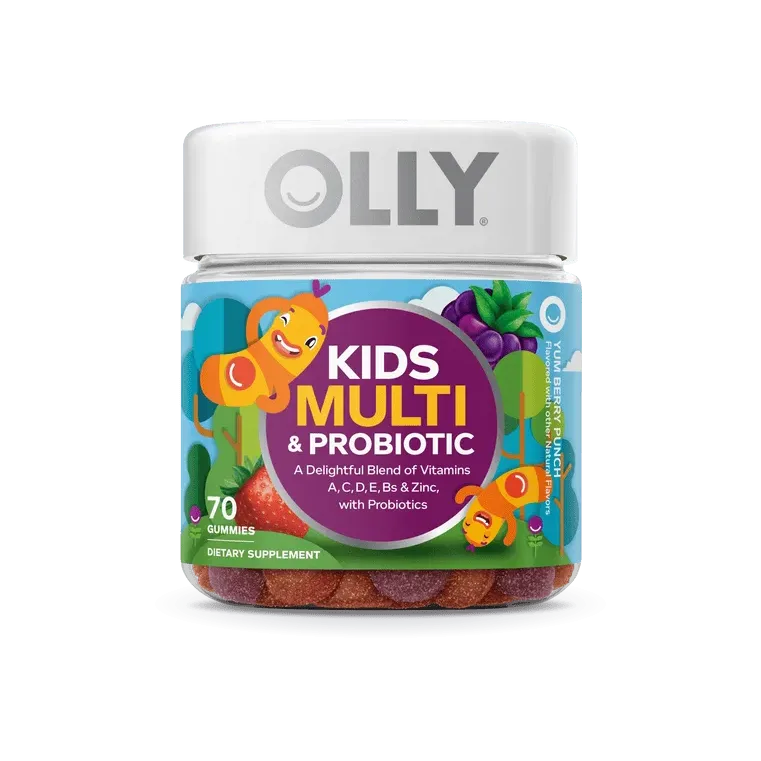
Kids Multi + Probiotic
LMN required · via CaeliYou pay the sticker price at checkout. The saving is the income tax you avoid by paying with pre-tax HSA/FSA dollars, at a 30% blended federal, FICA and state rate; your rate varies.
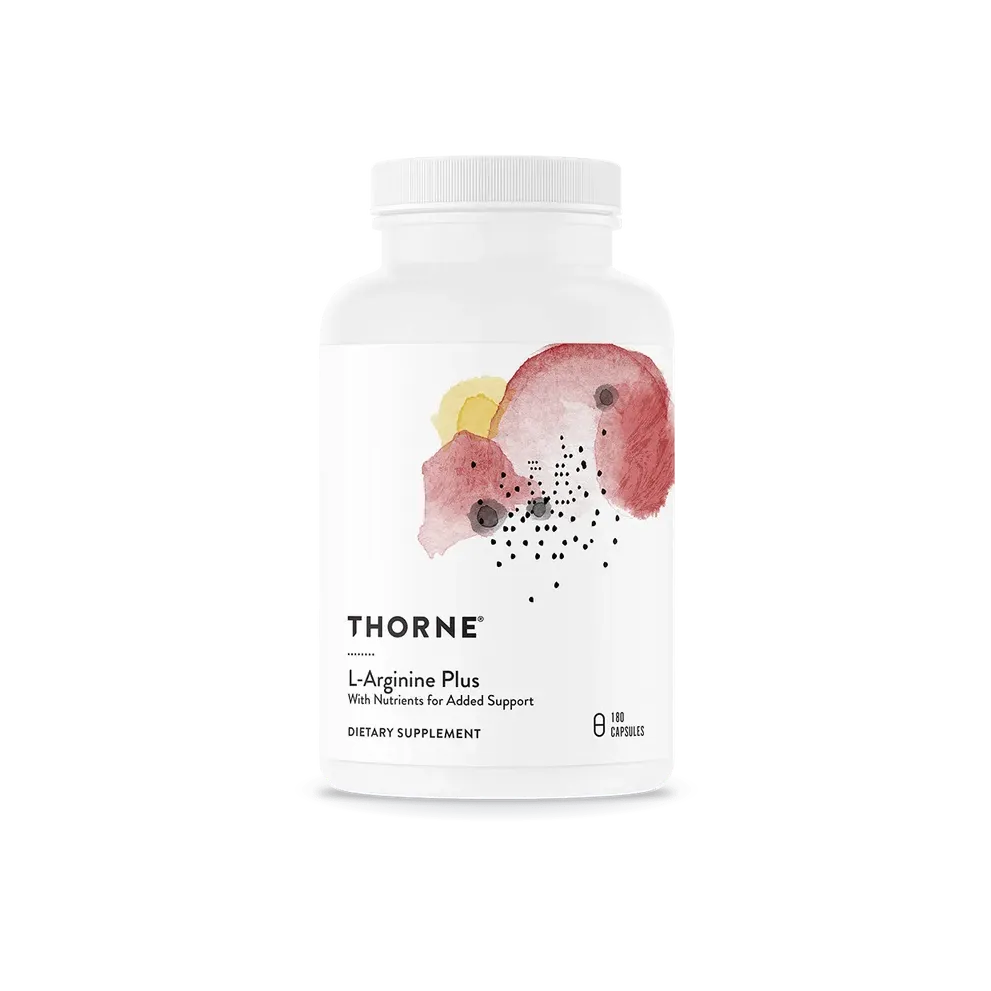
L-Arginine Plus
LMN required · via CaeliYou pay the sticker price at checkout. The saving is the income tax you avoid by paying with pre-tax HSA/FSA dollars, at a 30% blended federal, FICA and state rate; your rate varies.
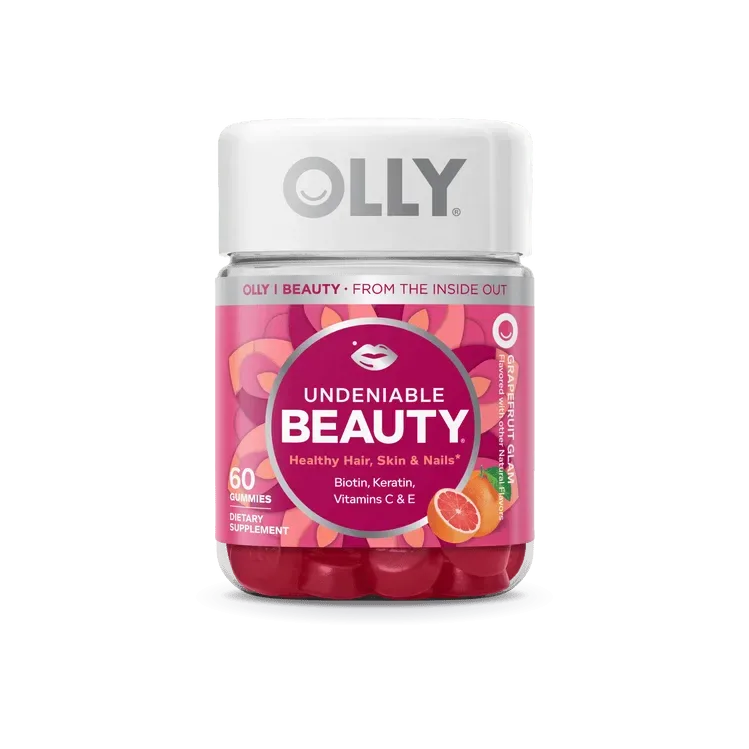
Undeniable Beauty
LMN required · via CaeliYou pay the sticker price at checkout. The saving is the income tax you avoid by paying with pre-tax HSA/FSA dollars, at a 30% blended federal, FICA and state rate; your rate varies.
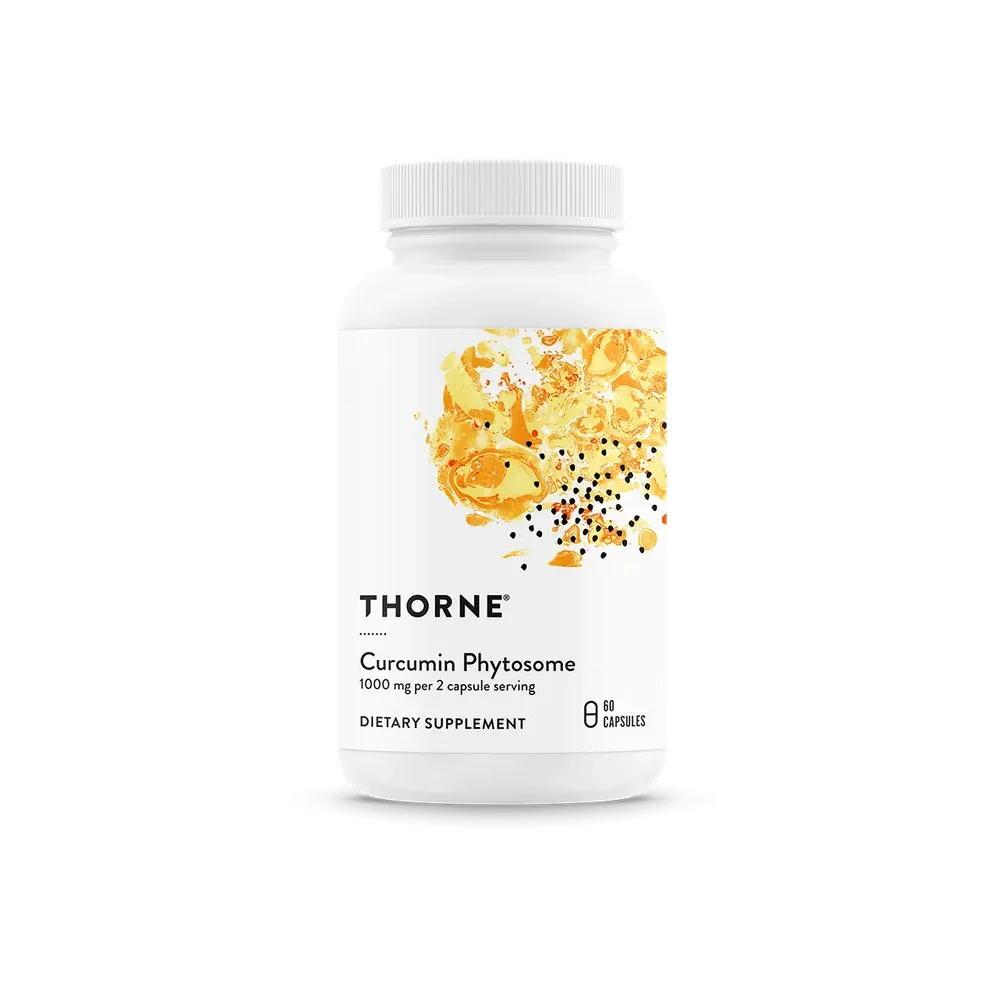
Curcumin Phytosome - 30 Servings
LMN required · via CaeliYou pay the sticker price at checkout. The saving is the income tax you avoid by paying with pre-tax HSA/FSA dollars, at a 30% blended federal, FICA and state rate; your rate varies.
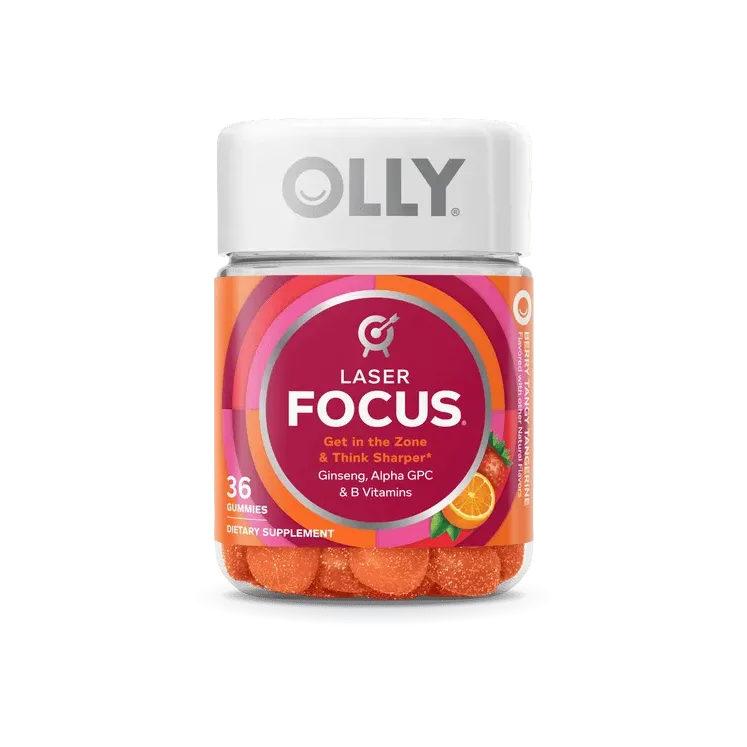
OLLY Laser Focus™ Gummies
LMN required · via CaeliYou pay the sticker price at checkout. The saving is the income tax you avoid by paying with pre-tax HSA/FSA dollars, at a 30% blended federal, FICA and state rate; your rate varies.
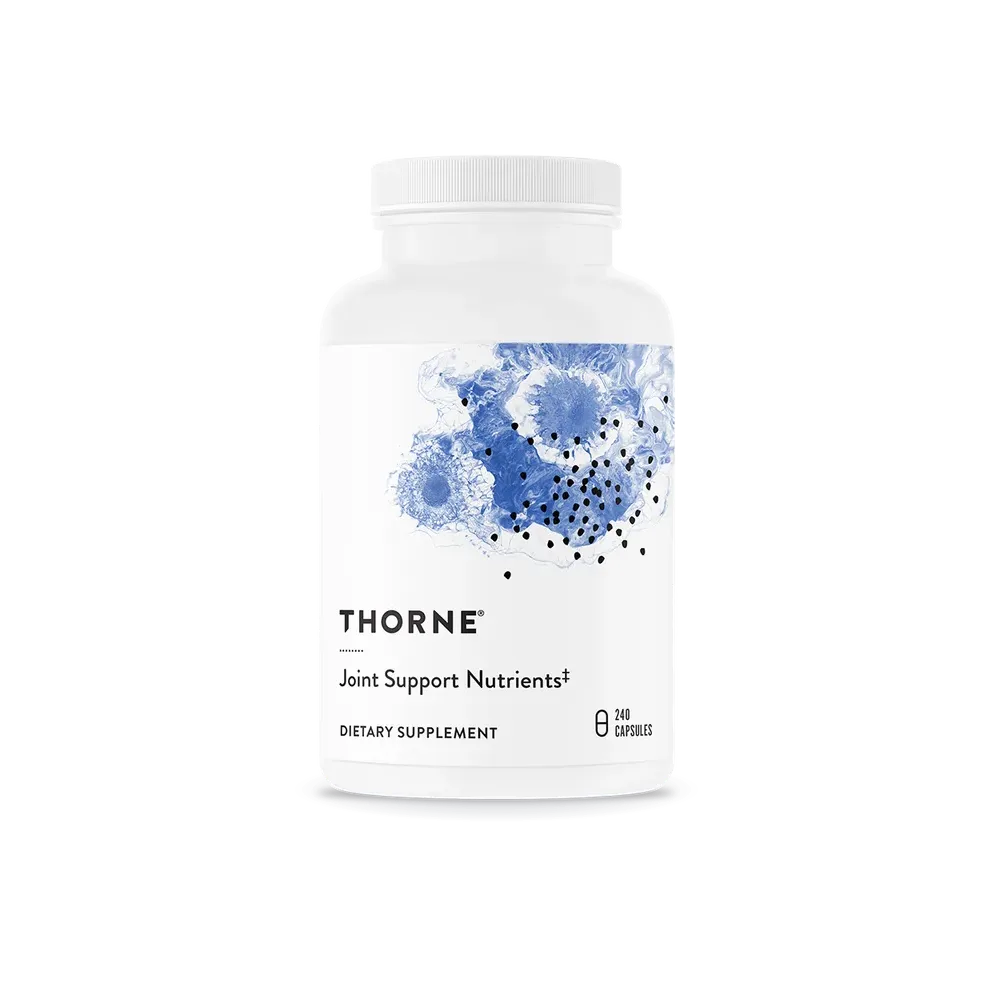
Joint Support Nutrients
LMN required · via CaeliYou pay the sticker price at checkout. The saving is the income tax you avoid by paying with pre-tax HSA/FSA dollars, at a 30% blended federal, FICA and state rate; your rate varies.
Continue learning
All articles
Caeli Picks
Top brain health supplements: how an LMN unlocks pre-tax savings.
Thorne and Ritual make some of the most carefully formulated supplements you can buy, and you take them every month. With an LMN for a diagnosed condition, such as a low B12 level, depression or insomnia, your HSA or FSA can pay for them with pre-tax money. Here is what qualifies, five picks and the sleep support that goes with them.

Benefits Basics
Open Enrollment 2027: Your HSA, FSA & LSA Game Plan
Open enrollment is the highest-paying 15 minutes of your year. Here's exactly how much to route into your HSA, FSA, and dependent care FSA for 2027 — plus the one number the IRS hasn't released yet.

Caeli Picks
Are Air Purifiers HSA Eligible? Yes, With an LMN. 8 Best HEPA Picks in 2026
Yes, your HSA or FSA covers HEPA air purifiers with a Letter of Medical Necessity. Our 8 picks from Levoit, Coway, and Austin Air, from $99.99 to $895.