Is a Mattress HSA Eligible? Plus the Sleep Trackers That Are (2026)
Your HSA can cover a Saatva or Tempur-Pedic mattress with a Letter of Medical Necessity, and sleep trackers like Apollo usually without one. The 2026 picks and how the LMN works.


The quick answer
Your HSA can cover a Saatva or Tempur-Pedic mattress with a Letter of Medical Necessity, and sleep trackers like Apollo usually without one. The 2026 picks and how the LMN works.
How tax-free checkout works
- 1. Get your LMNAnswer a few questions. A licensed clinician reviews and signs, usually in minutes.
- 2. Shop anywhereThe extension flags eligible items and shows what you save on any retailer.
- 3. Pay with HSA/FSACheck out with your benefits card. Receipts are filed and audit-ready.
Paying with pre-tax dollars saves about 30% on an eligible purchase. How the letter works.
A real sleep upgrade has two halves: the surface you sleep on, and the data that tells you whether it is working. Here is the part almost nobody believes at first. Your HSA can pay for both. A $3,499 Saatva Rx mattress and an Apollo wearable that tracks your recovery can each come out of pre-tax dollars. The bed just needs one piece of paper the tracker usually does not.
The fast answer
A mattress is HSA- and FSA-eligible when a licensed clinician signs a Letter of Medical Necessity tying it to a diagnosed condition like chronic back pain, a spinal issue, or a sleep disorder. Sleep and biometric trackers (smart rings, recovery wearables, at-home tests) are a different story. On Caeli’s shop they are tagged HSA/FSA-eligible directly, without the LMN gate the mattresses carry. So the mental model is simple: the bed needs a letter, the tracking layer mostly does not.
TL;DR: Mattress = eligible with an LMN tied to a diagnosis. Trackers and tests = generally eligible without one.
The 30-second cheat sheet
The sleep surface (needs an LMN)
Every mattress in Caeli’s Sleep & Insomnia shop is HSA/FSA-eligible with an LMN. Strongest approval cases: Saatva Rx ($3,499) and Contour5 ($3,049), both built for pain. Cheapest way in: Saatva Classic ($1,099).
The tracking layer (usually no LMN)
From Caeli’s Biometric & Preventative Tracking shop: the Apollo wearable ($448) for sleep and stress, plus at-home tests like LifeDNA ($259) and 23andMe ($199) that read the biology under your sleep.
TL;DR: Buy the bed with an LMN; add the tracker and tests without one, and let the tracker justify the next upgrade.
What does an LMN actually cover for sleep?
This is the part most people get wrong. An LMN is not a coupon and it is not a formality. It is a clinician’s written statement that a specific product treats a specific diagnosed condition. For sleep, the conditions that hold up are the concrete ones: chronic low back pain, degenerative disc issues, sciatica, arthritis, fibromyalgia, or a diagnosed sleep disorder. The note has to name the diagnosis, explain why a therapeutic mattress is medically necessary, and connect real features (zoned lumbar support, pressure relief, edge stability) to that condition, per benefits guidance on how administrators read these.
Get it right once and the same document does more than the mattress. Adjustable bed bases and therapeutic pillows ride the same diagnosis. That is why the LMN is the real key to the Sleep & Insomnia category, not a single product.
One rule that trips people up: the LMN must be dated before you buy. A note written after the purchase generally will not substantiate the claim. This is exactly the step Caeli handles inside checkout: a chat-based consultation takes about three minutes, a licensed clinician reviews and issues the LMN within 24 hours, and your order only ships once it is approved. No doctor’s visit, no chasing a PDF.
TL;DR: A valid LMN names your diagnosis, ties it to the mattress’s features, and is dated before you buy, then it covers bases and pillows too.
The mattress picks, ranked by who they’re for
Saatva Rx ($3,499)
$3,499.00
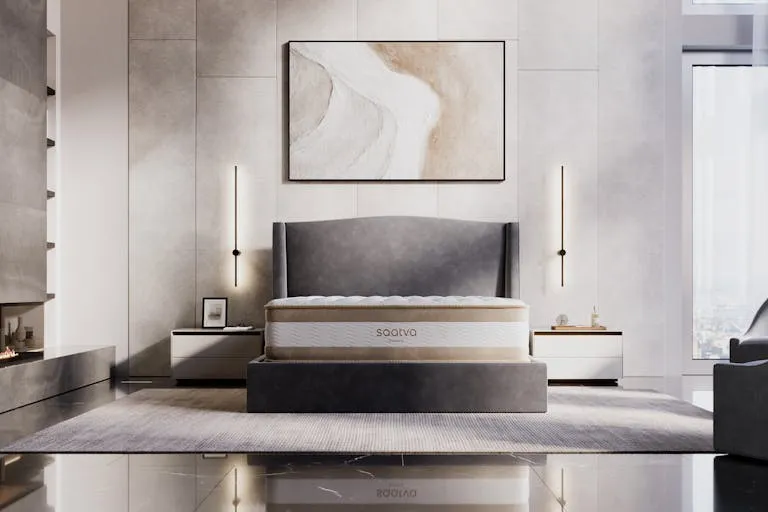
If you have a documented back or joint condition, start here. The Rx is engineered for chronic pain and post-surgical recovery, so the LMN conversation is short. The mattress is literally designed for the diagnosis you are bringing. In a 30% combined tax bracket, paying pre-tax knocks roughly $1,000 off the sticker. Caeli flags it as eligible the moment it is in your cart, then puts it on your FSA/HSA card at checkout.
Saatva Contour5 ($3,049)
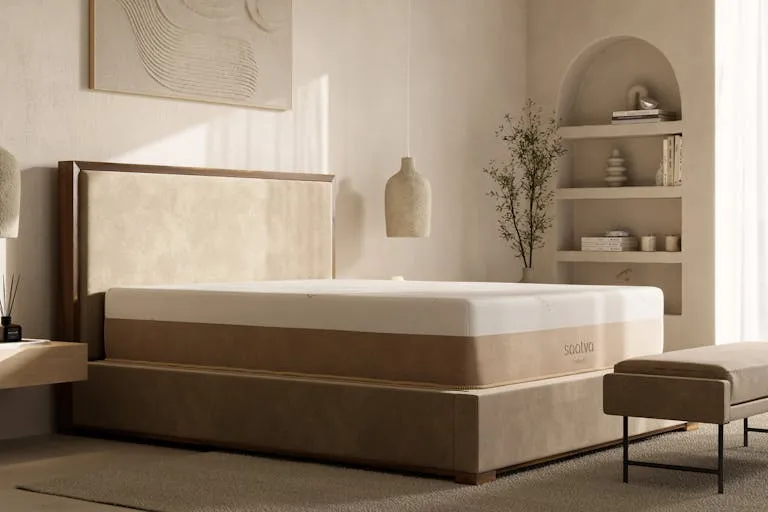
$3,049.00
The other pain-specialist pick. Deep contouring memory foam for pressure-point relief, strong for the hip and shoulder pain that wrecks side-sleepers. Same easy LMN story as the Rx, a few hundred dollars less.
Saatva Classic ($1,099)
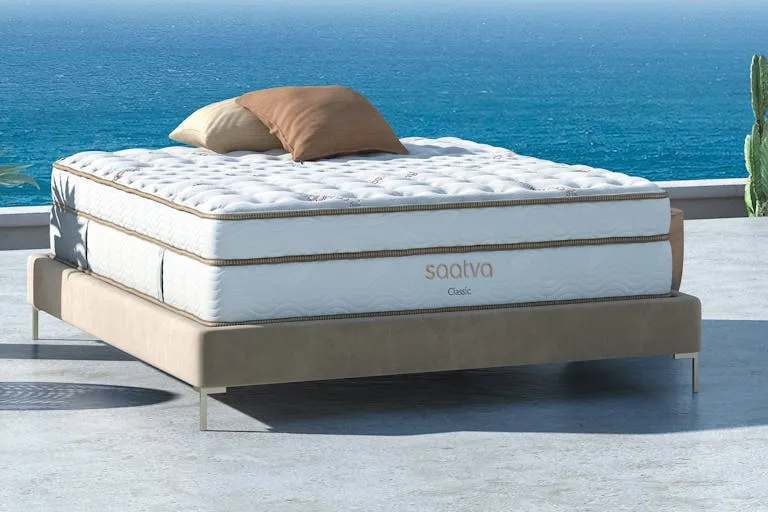
$1,099.00
The most affordable way to use your benefits on a real mattress. A luxury innerspring with a lumbar-zone support layer, so it still gives a clinician something concrete to cite in the LMN. If you have FSA dollars to spend and a qualifying diagnosis, this is the efficient move. Your 2026 FSA cap is $3,400, and this fits comfortably under it.
Memory Foam Hybrid ($2,149)
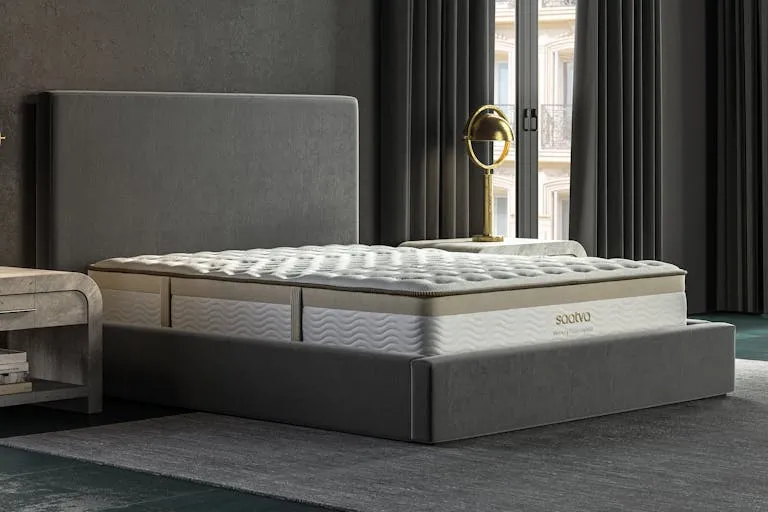
$2,149.00
Coils for support, memory foam for pressure relief. A mid-range pick for general back discomfort when you want contouring without going full foam.
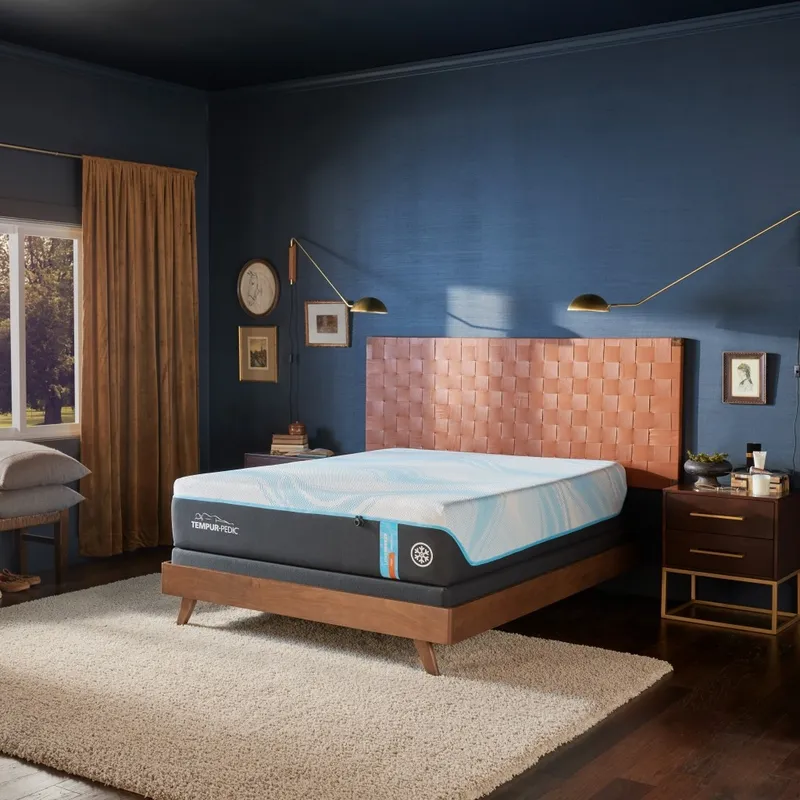
TEMPUR-Breeze ($3,899)
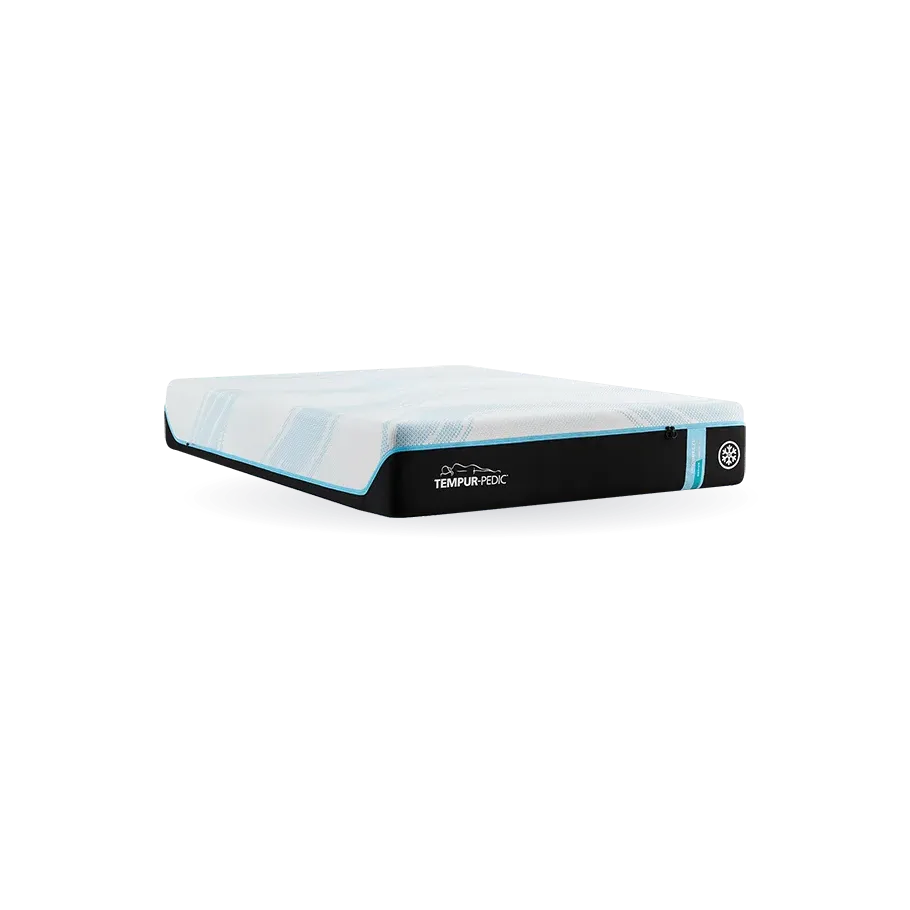
$3,899.00
For hot sleepers whose pain is real but whose deal-breaker is overheating. TEMPUR-Pedic’s cooling line runs cooler through the night, and it qualifies for HSA/FSA reimbursement with an LMN the same as any other (see the current eligibility guidance).
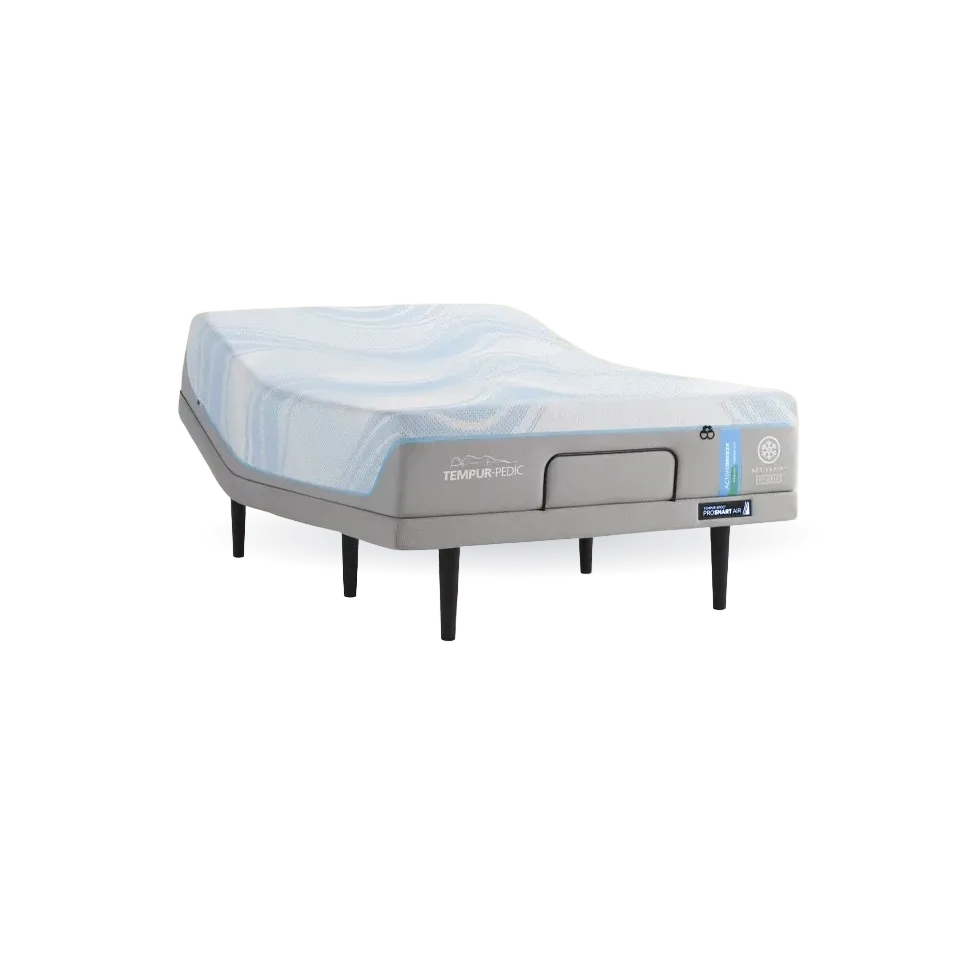
TEMPUR-ActiveBreeze Smart Bed ($9,898)
$9,898.00
The splurge. Active climate control and a smart base. This is where “my HSA paid for this” starts to feel unreal. Worth knowing: with a purchase this size, the IRS “excess cost” rule (below) is most likely to matter, so read the fine print before you count on the full amount.
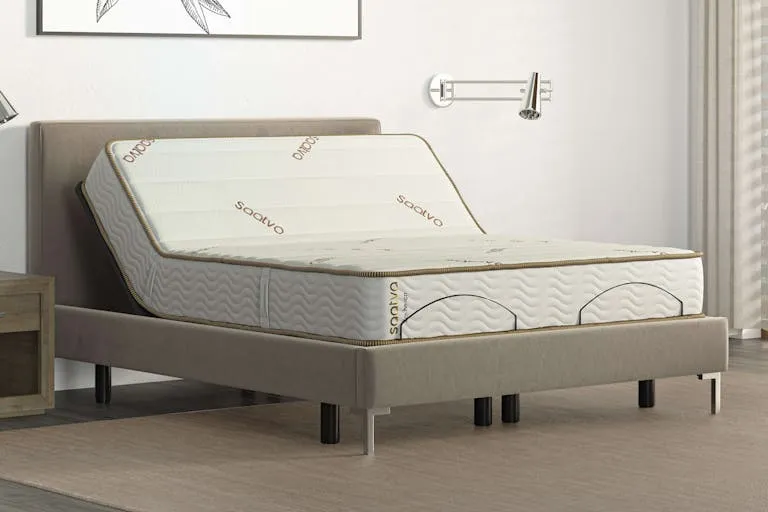
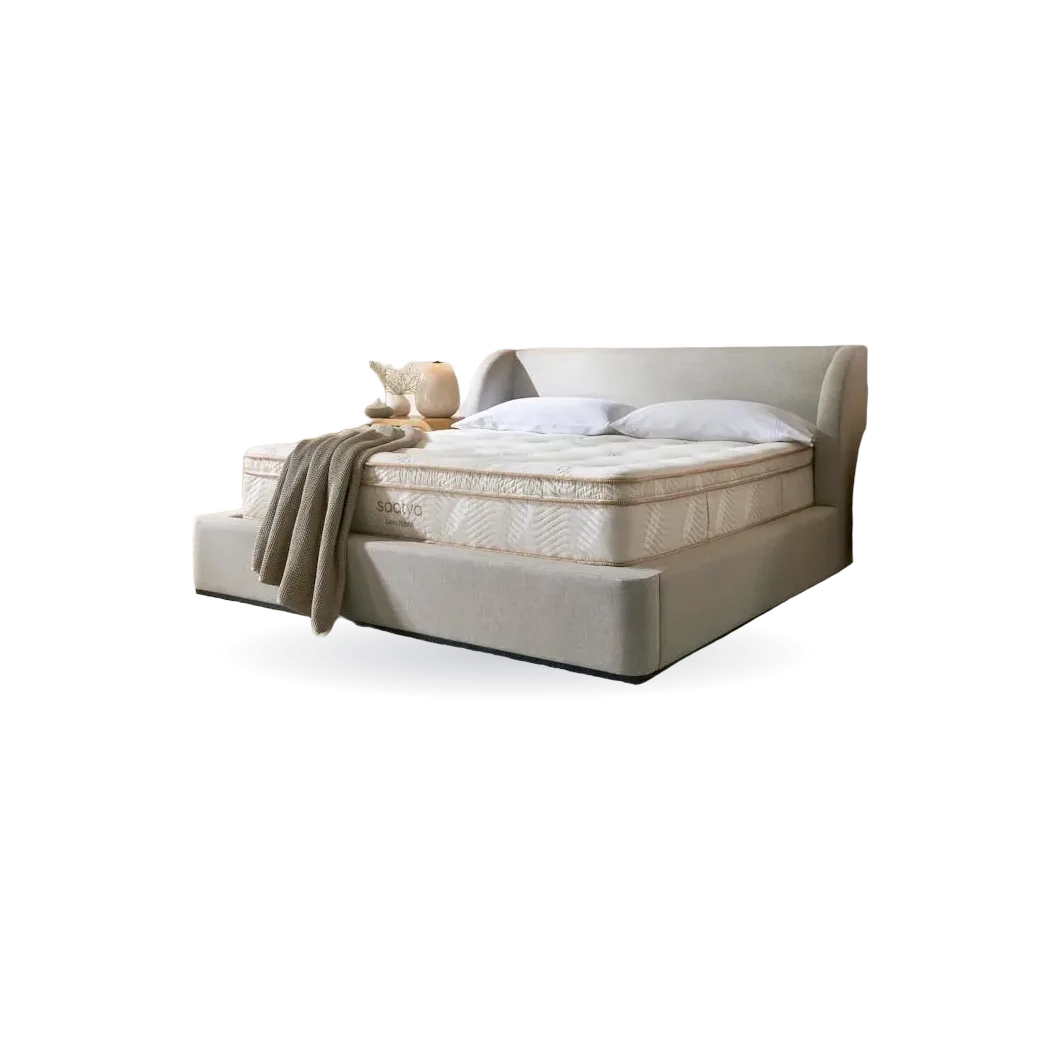
Zenhaven Latex ($3,549) & Saatva Latex Hybrid ($2,649)
$3,549.00
For sleepers who want natural materials and a responsive, non-sinking feel. Latex runs cooler and lasts longer than foam. Both qualify with the same LMN. Pick the all-latex Zenhaven for the purist route or the hybrid to split the difference on price.
TL;DR: Lead with a pain-specific model if you have the diagnosis; the Classic is the budget pick; latex and Breeze solve for materials and heat.
The other half: track your sleep (usually without an LMN)
A new mattress is a bet. Biometric tracking is how you settle it, and it is the cheaper, lower-friction half of the upgrade, because these products are generally eligible without the LMN a mattress needs. It is also how you build the paper trail for your next eligible purchase: consistent data showing disrupted sleep is exactly what a clinician wants to see.
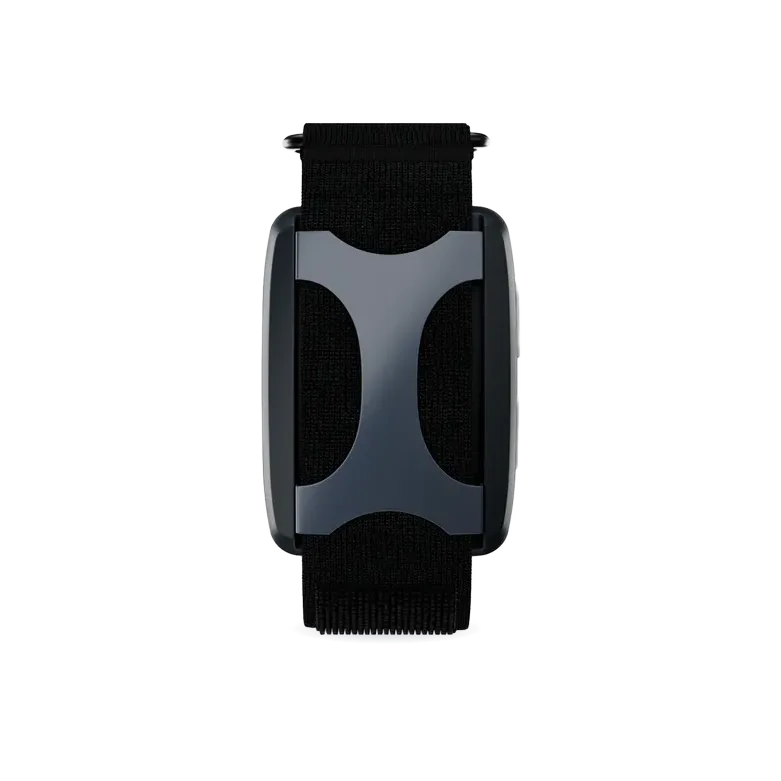
Apollo Wearable + SmartVibes ($448)
$448.00
The natural bridge between the two shops. Caeli lists it under both sleep and biometric tracking. Apollo uses gentle vibration to nudge your nervous system toward rest, and the brand supports HSA/FSA purchases. Heads up: it runs eligibility through a medical-necessity attestation, so expect a quick qualifying step rather than a totally paperwork-free checkout.
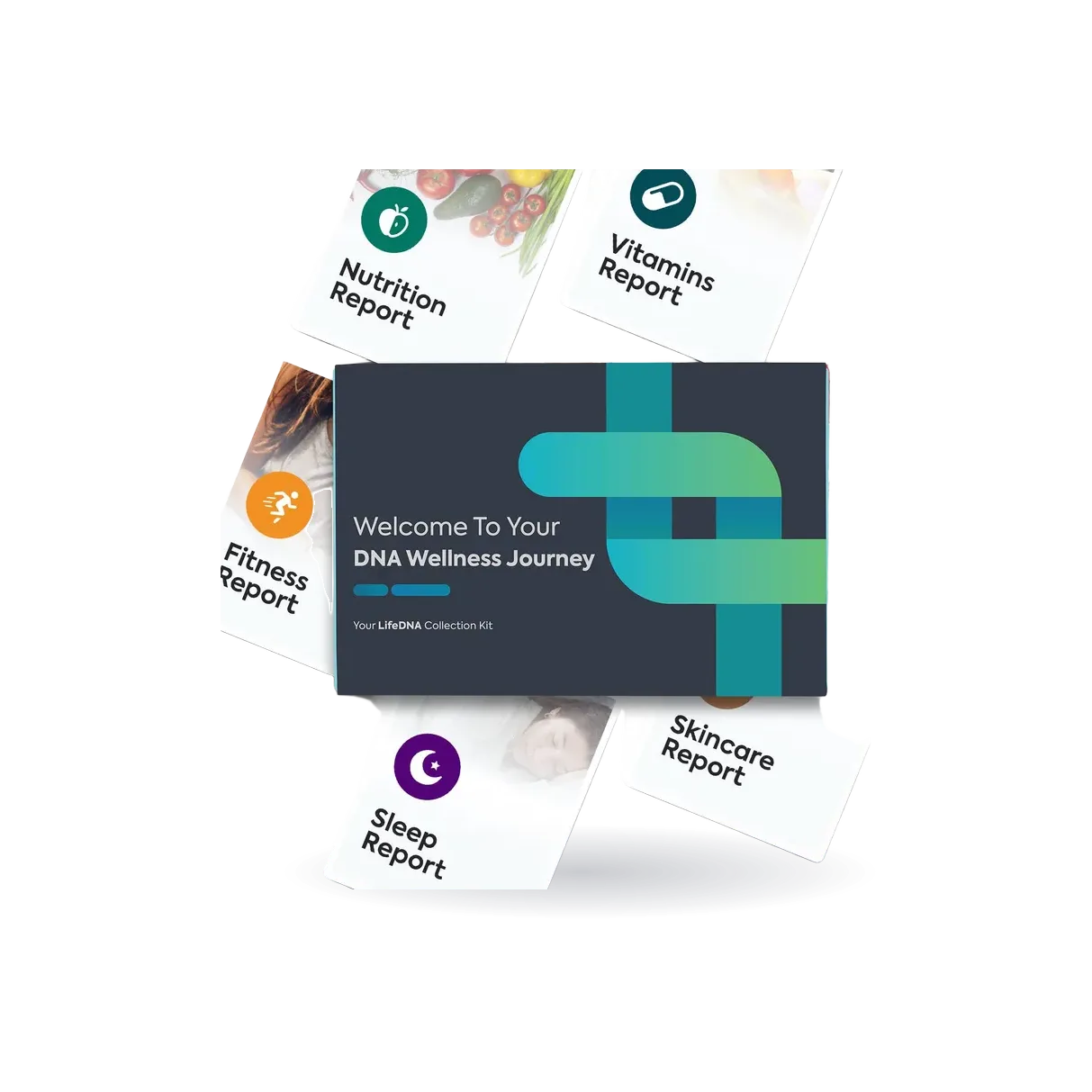
Genetic and pharmacogenomic tests ($199 to $499)
$259.00
The under-the-hood layer. 23andMe’s health service ($199) is a well-established HSA/FSA-eligible test (the brand publishes its eligibility details), and LifeDNA ($259) reads wellness and sleep-relevant traits. If you take sleep medication, a pharmacogenomic test like ClarityX Max Rx ($499) shows how your body metabolizes it: useful data, and eligible spend. One honest caveat: genetic-test coverage can be partial or attestation-gated depending on your plan, so confirm before you assume the full amount.
Want the full rundown of which wearables clear on their own and which need a letter? Our guide to HSA-eligible smart wearables breaks down Oura, Whoop, and the rest.
TL;DR: The tracking layer is the low-friction, no-LMN half of a sleep upgrade, and the data it produces helps justify the next one.
The one caveat worth knowing before you buy
Here is the honest fine print, because you deserve it. IRS Publication 502 has a long-standing rule for items that have a normal, non-medical version: you can count the amount the special item costs above the ordinary version. Read strictly, that means a therapeutic mattress may be eligible only for the difference between its price and what a comparable regular mattress would cost.
In practice, most benefits administrators and sellers process the full price against an LMN, and “comparable ordinary mattress” is genuinely ambiguous for a medical-grade model. But the rule exists, and it is the piece most “your HSA covers a mattress” articles skip. If you want to be conservative, keep your LMN and itemized invoice on file and be ready to defend the full amount. Caeli pairs the receipt with the LMN in one record automatically, so if a substantiation request ever lands, the proof is already assembled. For certainty on your specific plan, ask your administrator how they treat therapeutic mattresses before you buy.
TL;DR: The IRS technically counts only the cost above an ordinary mattress; most admins process the full price with an LMN, but keep your paperwork and confirm with your plan.
Frequently Asked Questions
Is a Saatva or Tempur-Pedic mattress HSA/FSA eligible in 2026?
Yes. Both brands qualify for HSA and FSA reimbursement when you have a Letter of Medical Necessity tying the mattress to a diagnosed condition such as chronic back pain or a sleep disorder. The brand and price do not decide eligibility. The LMN does.
Do sleep and biometric trackers need a Letter of Medical Necessity?
Usually not. On Caeli’s shop, biometric trackers and at-home tests are tagged HSA/FSA-eligible without the LMN gate mattresses carry. Some, like the Apollo wearable, use a quick medical-necessity attestation instead of a full clinician letter, which is lighter but not always zero paperwork.
What diagnosis do I need for a mattress Letter of Medical Necessity?
The strongest cases are concrete, documented conditions: chronic low back pain, degenerative disc disease, sciatica, arthritis, fibromyalgia, or a diagnosed sleep disorder. “I want to sleep better” does not meet the IRS medical-care standard; a named diagnosis does.
How much does it cost to get a mattress LMN, and how long does it take?
With Caeli, the Letter of Medical Necessity is handled inside checkout: a chat-based consultation takes about three minutes and a licensed clinician issues the LMN within 24 hours, with no separate doctor’s visit. Your order only ships once the LMN is approved.
Can my HSA cover the full price of the mattress or just part of it?
Does the LMN have to be dated before I buy the mattress?
Yes. An LMN generally must be dated before the purchase to substantiate the claim; a note written afterward usually will not hold up. This is why getting the LMN inside the checkout flow, before you pay, matters.
The bottom line
A good mattress is one of the highest-leverage health purchases you will ever make (you spend a third of your life on it), and if you have a qualifying diagnosis, there is no reason to pay for it with after-tax dollars. Pair it with a tracker and you close the loop: the bed fixes the surface, the biometrics prove it is working and tee up your next eligible upgrade. If chronic pain is your reason, our recovery-tool guide pairs well here. When you are ready, browse the eligible sleep picks and the biometric tracking shop, and let Caeli handle the letter.
Shop what this guide covers
See allSaatva Rx Mattress
LMN required · via CaeliYou pay the sticker price at checkout. The saving is the income tax you avoid by paying with pre-tax HSA/FSA dollars, at a 30% blended federal, FICA and state rate; your rate varies.
Contour5 Mattress
LMN required · via CaeliYou pay the sticker price at checkout. The saving is the income tax you avoid by paying with pre-tax HSA/FSA dollars, at a 30% blended federal, FICA and state rate; your rate varies.
TEMPUR-Breeze® Collection
LMN required · via CaeliYou pay the sticker price at checkout. The saving is the income tax you avoid by paying with pre-tax HSA/FSA dollars, at a 30% blended federal, FICA and state rate; your rate varies.
Saatva Latex Hybrid Mattress
LMN required · via CaeliYou pay the sticker price at checkout. The saving is the income tax you avoid by paying with pre-tax HSA/FSA dollars, at a 30% blended federal, FICA and state rate; your rate varies.
Memory Foam Hybrid Mattress
LMN required · via CaeliYou pay the sticker price at checkout. The saving is the income tax you avoid by paying with pre-tax HSA/FSA dollars, at a 30% blended federal, FICA and state rate; your rate varies.

Immunity Sleep
No LMN neededYou pay the sticker price at checkout. The saving is the income tax you avoid by paying with pre-tax HSA/FSA dollars, at a 30% blended federal, FICA and state rate; your rate varies.