
Humidifiers for Respiratory & Skin Conditions: When Household Humidifiers Qualify as Medical
Dry indoor air cracks skin, flares eczema and irritates sinuses. If a clinician ties a humidifier to a diagnosed condition, your HSA or FSA can pay for it with pre-tax money. Here is what qualifies, five humidifiers worth it, and the sinus and skin care that needs no LMN at all.

The quick answer
Yes, with an LMN. Dry winter air alone isn't enough.
A humidifier is HSA/FSA-eligible when a licensed clinician writes an LMN tying it to a diagnosed condition, such as eczema or chronic sinusitis.
Estimated pre-tax savings: about $5 to $150 per item, at a 30% combined tax rate.
Caeli handles the LMN at checkout: a telehealth intake in under 3 minutes.
The dilemma
The heat comes on, and your skin and sinuses pay for it
Last winter meant an eczema flare, cracked lips, or waking up to a dry, bloody nose. This year you want a humidifier before the heating season starts, and a good one that is easy to keep clean costs real money. A retailer's page may even call it "FSA eligible".
That badge is the store's label, not your plan's decision. The tax code covers amounts paid "for the diagnosis, cure, mitigation, treatment, or prevention of disease" (IRC §213(d)). A humidifier is an item "ordinarily used for personal, living, or family purposes", which IRS Publication 502 excludes unless it is used primarily to prevent or alleviate an illness. No humidifier qualifies by name. Your diagnosis is what qualifies it.
First things first
What makes a humidifier eligible
The IRS draws the line plainly: medical expenses "don't include expenses that are merely beneficial to general health" (IRS FAQ). Wanting better air in winter is general health. A diagnosed skin or sinus condition, and a clinician who recommends humidified air for it, is medical care. There is old precedent for the idea, too: the Treasury regulations list "an air conditioner which is detachable from the property and purchased only for the use of a sick person" as a medical expense (26 CFR §1.213-1). They do not mention humidifiers, but the logic is similar.
Dermatology and self-care guidance back it for skin and nasal dryness. The American Academy of Dermatology lists a humidifier among its tips for dry skin, and the National Eczema Association quotes a dermatologist calling humidifiers "very helpful in alleviating symptoms of eczema in the winter". Mayo Clinic notes that dry indoor air "can irritate sinuses and cause bloody noses and cracked lips". Colds and croup are a weaker case: research reviews have not found a clear benefit from humidified air.
How an LMN works
The usual route is an appointment with your doctor, often a co-pay, and a request for the LMN. With Caeli it happens at checkout: a telehealth intake in under 3 minutes, and a licensed clinician reviews and signs, usually in minutes. The LMN is dated before you buy, names your condition, and covers this product and similar ones for 12 months. The conditions below are common examples, not the full list.
Conditions a clinician can cite include:
- Atopic dermatitis (eczema)
- Chronic dry skin (xerosis)
- Chronic rhinosinusitis
- Chronic nasal dryness
- Recurrent nosebleeds
Eligibility belongs to your diagnosis, not the humidifier or the store's badge. Get the LMN first, dated before you buy.
The picks
Five humidifiers worth the LMN
For a medical buyer, how a humidifier works matters more than how much mist it makes. The EPA says ultrasonic and impeller "cool mist" units "generally appear to produce the greatest dispersions of both microorganisms and minerals", while evaporative units and steam vaporizers "generally disperse less, if any". Four of these five humidify through a wick or steam. The one ultrasonic pick earns its place as the only warm-or-cool option with a humidity sensor; fill it with distilled water.
After the editor's pick, the four below run from the splurge to the special-purpose pick: a purifier and humidifier in one, a whole-home unit, a budget warm-or-cool model, and a steam inhaler for sinus congestion.
Editor's pick for skin
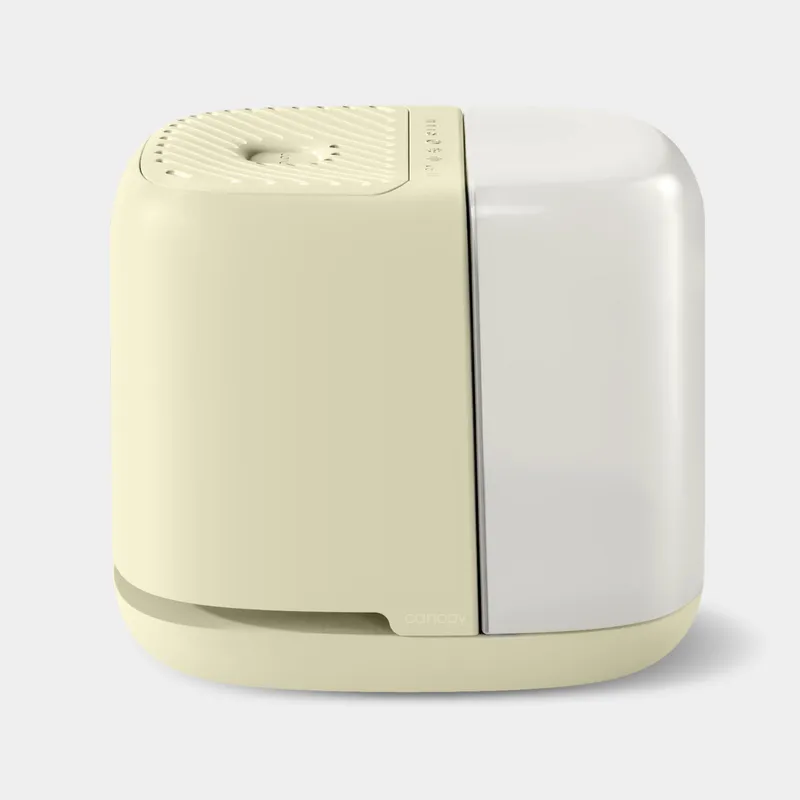
Bedside Humidifier 2.0
Eczema and dry skin, at the bedside
Canopy's evaporative design passes water under UV light and releases no mist. When it detects water, the fan keeps running to help the unit dry out, and the tank, tray, cap and grill go in the dishwasher. The trade-off is the filter, which Canopy says to replace every 45 days.
Price
$159
Est. tax savings ~$48
Blueair
HSA/FSA with LMN2-in-1 Pro Purify + Humidify
The splurge: clean air and humidity in one
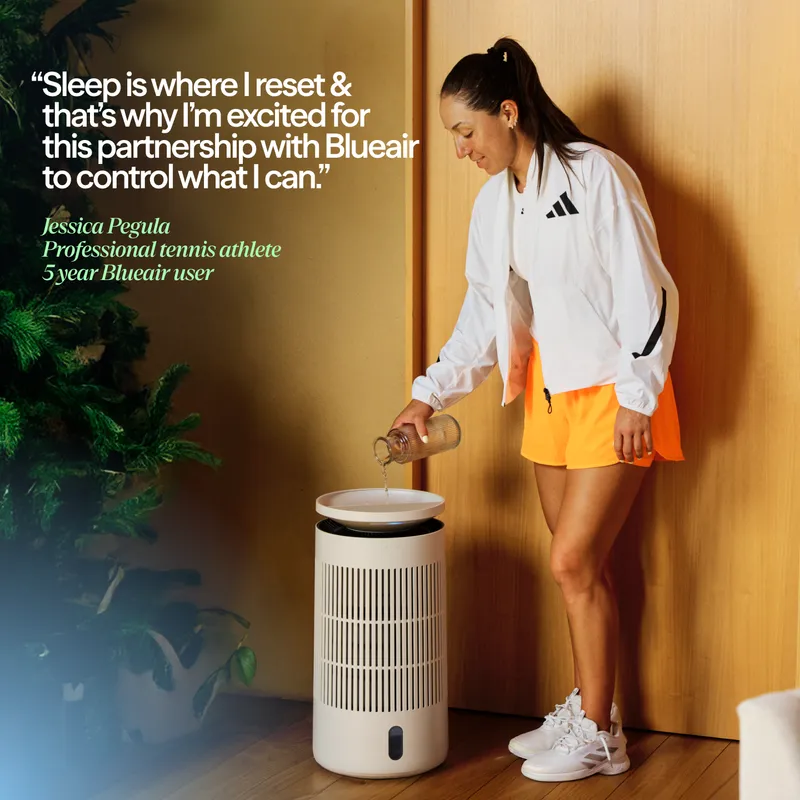
A HEPA air purifier and a wick humidifier in one unit, with a Skin Mode Blueair says it co-created with dermatologists: it sets the target humidity by time of day and room temperature. The 1.3-gallon tank runs up to 60 hours in auto mode, the wick is rated for about a year, and Blueair says tap water is fine. The price buys one quiet unit that cleans and humidifies the bedroom, instead of two.
Levoit
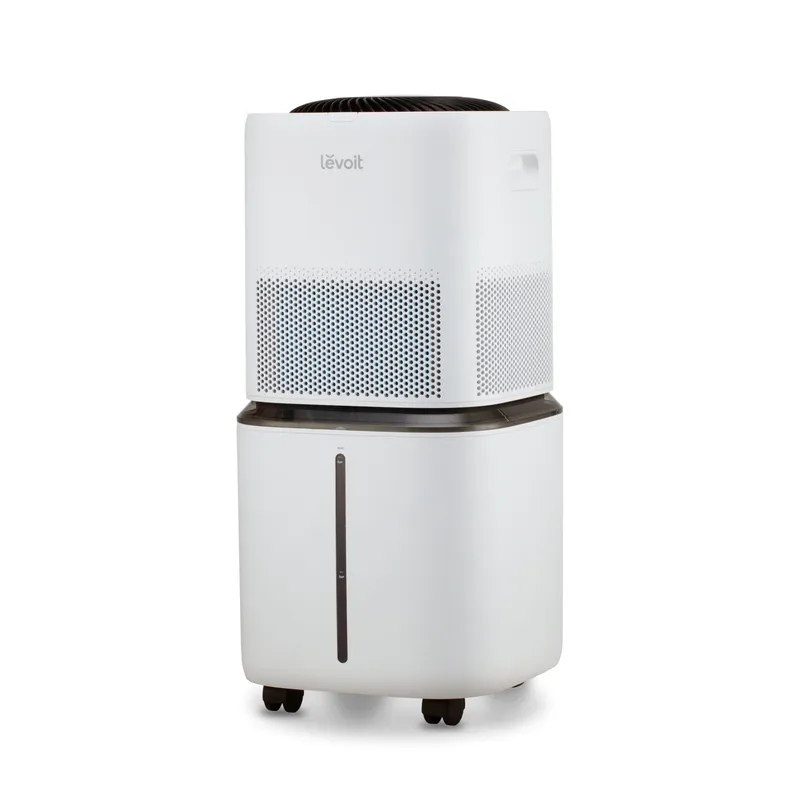
HSA/FSA with LMNLevoit Superior 6000S Smart Evaporative Humidifier
Mid-range: dry air in every room
A 6-gallon evaporative, mist-free humidifier rated for up to 3,000 square feet. One unit for the whole home instead of one per bedroom.
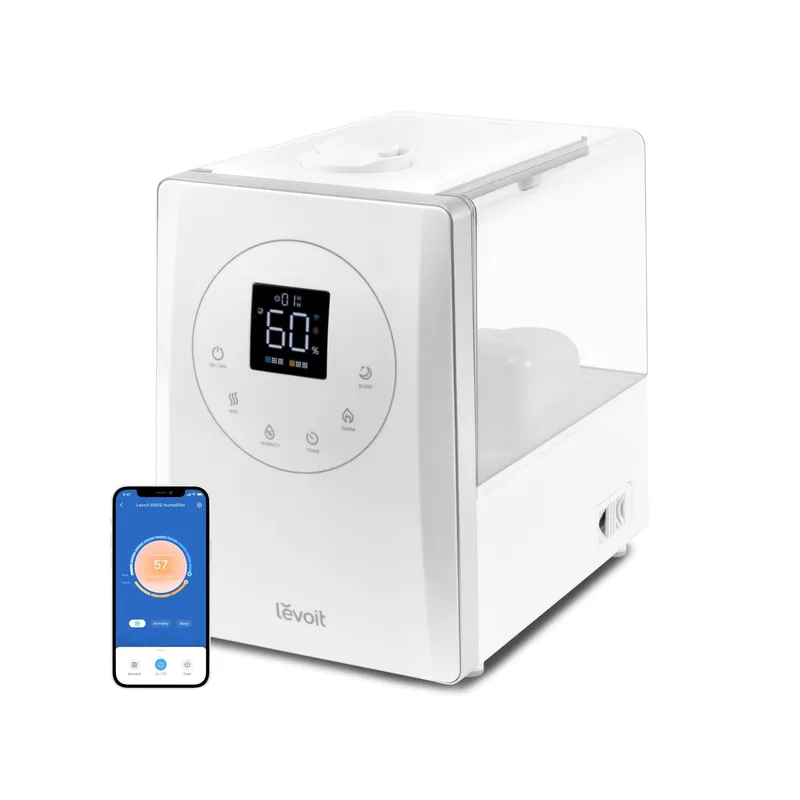
Levoit
HSA/FSA with LMNLevoit LV600S Smart Hybrid Ultrasonic Humidifier
Budget: warm or cool mist, your choice
The only pick that runs warm or cool mist, with a built-in humidity sensor for auto mode and a 6-liter tank. Wirecutter found it one of the rare ultrasonic models that won't over-humidify a room. Because it is ultrasonic, fill it with low-mineral water such as distilled.
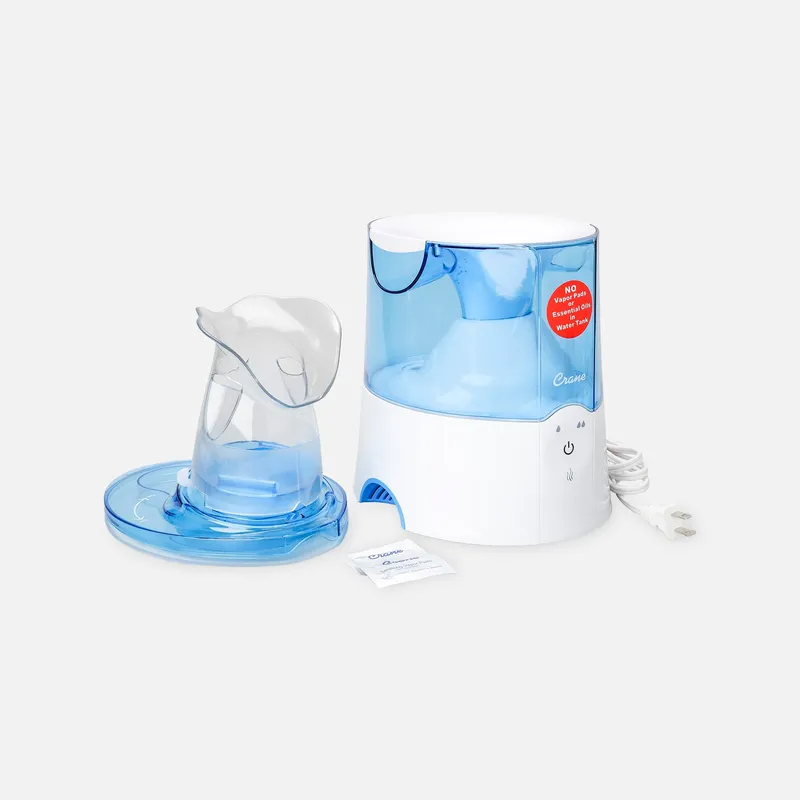
Crane
HSA/FSA with LMNCrane 2-in-1 Warm Mist Humidifier and Steam Inhaler, Blue/White
Special purpose: an adult with sinus congestion
A warm-mist humidifier for rooms up to 250 square feet that doubles as a personal steam inhaler (it is first a room humidifier, so it follows the humidifier rule and needs an LMN); Mayo Clinic's self-care advice for chronic sinusitis includes breathing warm vapor. It shuts off if it runs out of water, overheats or is not assembled properly. Steam can burn, so this is a pick for adults, not a nursery.
| Product | Price | LMN cites | Type | Tank | Coverage | Key feature |
|---|---|---|---|---|---|---|
| CanopyBedside Humidifier 2.0 | $159 | Eczema or chronic dry skin | Evaporative | 2.5 L | Up to 500 sq ft | No mist, UV-treated water, dishwasher-safe parts |
| Blueair2-in-1 Pro Purify + Humidify | $500 | Eczema or chronic dry skin | Wick (evaporative), plus HEPA purifier | 1.3 gal | 391 sq ft recommended room | HEPA purifier plus a dermatologist co-created Skin Mode |
| LevoitLevoit Superior 6000S Smart Evaporative Humidifier | $250 | Eczema or chronic dry skin | Evaporative | 6 gal | Up to 3,000 sq ft | Whole-home capacity |
| LevoitLevoit LV600S Smart Hybrid Ultrasonic Humidifier | $110 | Chronic nasal dryness or chronic sinusitis | Ultrasonic, warm or cool | 6 L | 430 to 753 sq ft | Warm or cool mist, auto mode |
| CraneCrane 2-in-1 Warm Mist Humidifier and Steam Inhaler, Blue/White | $70 | Chronic sinusitis | Warm mist (steam) | 0.5 gal | Up to 250 sq ft | Built-in personal steam inhaler |
Canopy
Bedside Humidifier 2.0
$159
- LMN cites:
- Eczema or chronic dry skin
- Type:
- Evaporative
- Tank:
- 2.5 L
- Coverage:
- Up to 500 sq ft
- Key feature:
- No mist, UV-treated water, dishwasher-safe parts
Blueair
2-in-1 Pro Purify + Humidify
$500
- LMN cites:
- Eczema or chronic dry skin
- Type:
- Wick (evaporative), plus HEPA purifier
- Tank:
- 1.3 gal
- Coverage:
- 391 sq ft recommended room
- Key feature:
- HEPA purifier plus a dermatologist co-created Skin Mode
Levoit
Levoit Superior 6000S Smart Evaporative Humidifier
$250
- LMN cites:
- Eczema or chronic dry skin
- Type:
- Evaporative
- Tank:
- 6 gal
- Coverage:
- Up to 3,000 sq ft
- Key feature:
- Whole-home capacity
Levoit
Levoit LV600S Smart Hybrid Ultrasonic Humidifier
$110
- LMN cites:
- Chronic nasal dryness or chronic sinusitis
- Type:
- Ultrasonic, warm or cool
- Tank:
- 6 L
- Coverage:
- 430 to 753 sq ft
- Key feature:
- Warm or cool mist, auto mode
Crane
Crane 2-in-1 Warm Mist Humidifier and Steam Inhaler, Blue/White
$70
- LMN cites:
- Chronic sinusitis
- Type:
- Warm mist (steam)
- Tank:
- 0.5 gal
- Coverage:
- Up to 250 sq ft
- Key feature:
- Built-in personal steam inhaler
Beyond the humidifier
The humidifier needs an LMN. The rinse doesn't.
The same diagnosis usually comes with a self-care routine, and much of it is simpler to pay for. Mayo Clinic's advice for chronic sinusitis includes saline nasal rinses and keeping the sinuses moist with warm vapor. The AAD tells people with eczema to moisturize at least twice a day.
The products below are HSA/FSA eligible with no LMN: pay with your card and you are done. They are made for one medical purpose. A humidifier is a household appliance until a diagnosis makes it medical care, which is why it needs the LMN and they do not.
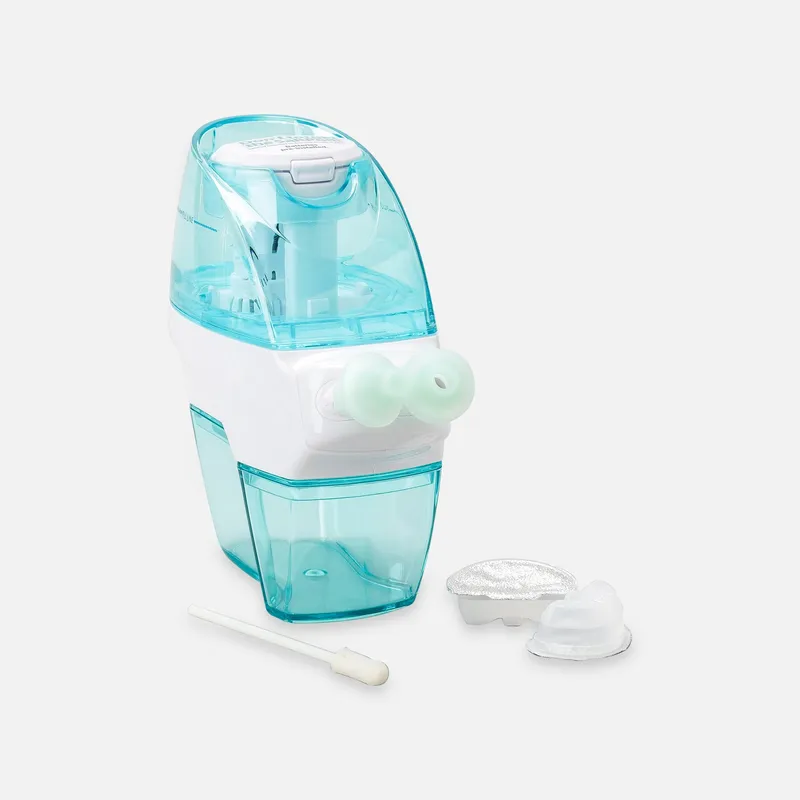
Navage
HSA/FSA eligibleNavage Saline Nasal Irrigation Starter Kit
A daily saline rinse routine
A starter kit for saline nasal irrigation, the rinse Mayo Clinic lists among treatments for chronic sinusitis.
Price
$100
Est. tax savings ~$30
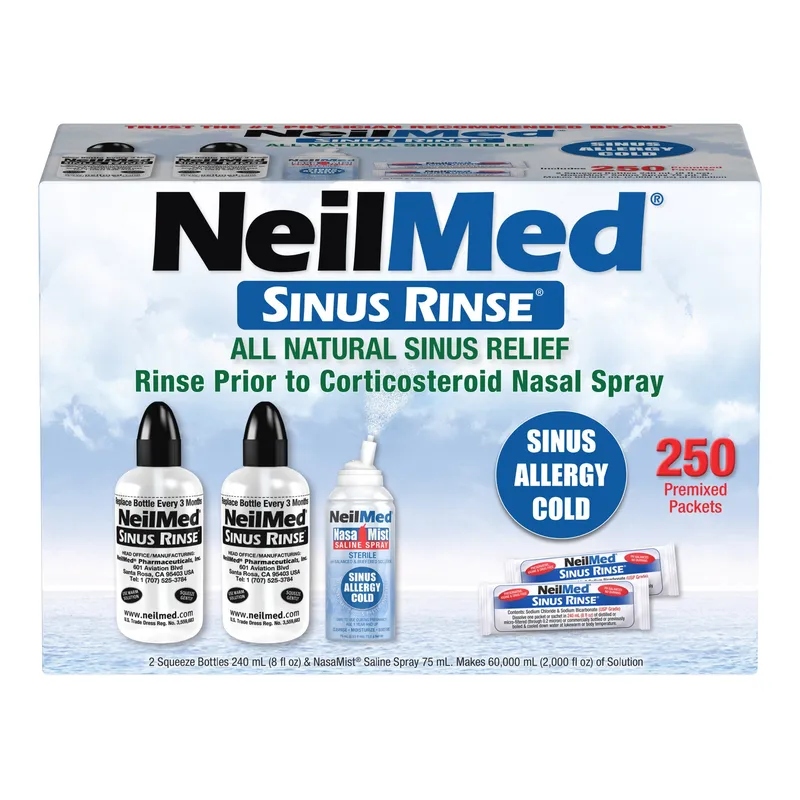
NeilMed
HSA/FSA eligibleNeilMed Sinus Rinse Kit
Saline rinsing on a budget
A saline sinus rinse kit from the brand Mayo Clinic names in its chronic sinusitis treatment advice.
Price
$18
Est. tax savings ~$5
Vicks
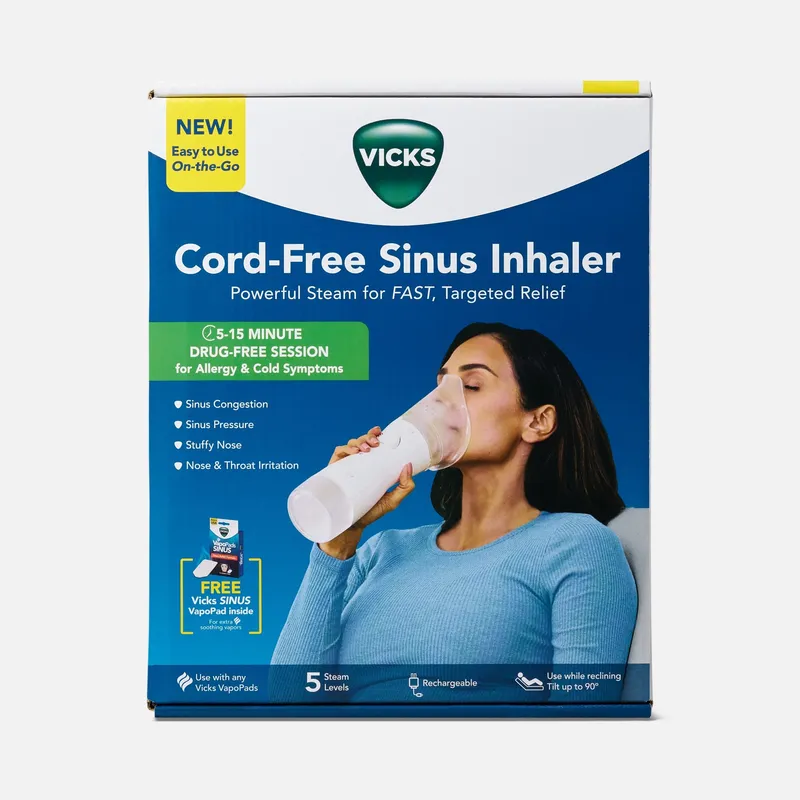
HSA/FSA eligibleVicks® Personal Sinus Inhaler, Cordless
Warm vapor without a bowl of hot water
A cordless personal sinus inhaler, for the warm, moist air Mayo Clinic suggests for congested sinuses.
Price
$130
Est. tax savings ~$39
Skinfix
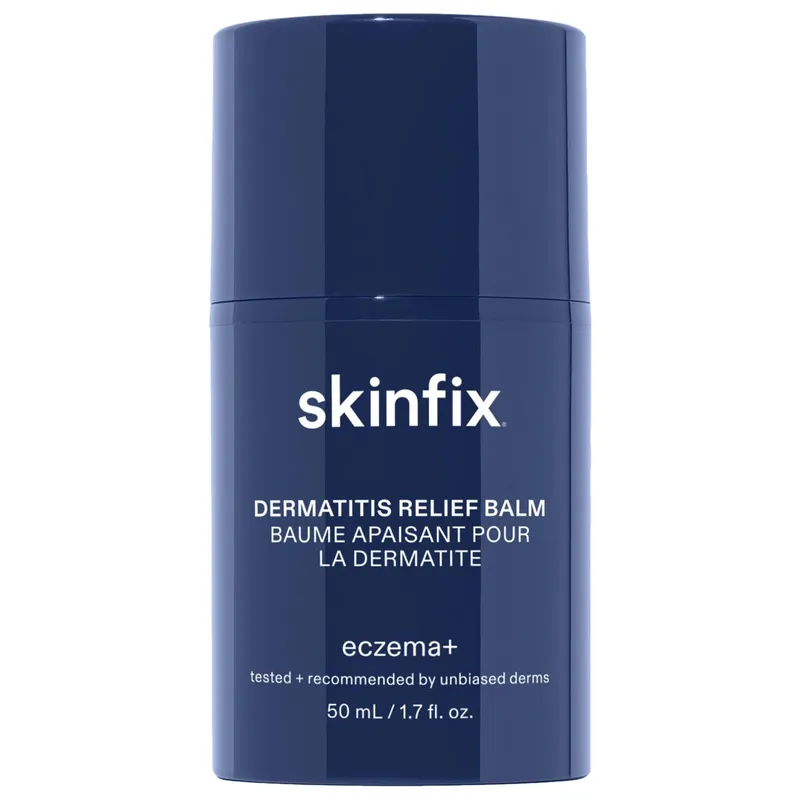
HSA/FSA eligibleeczema+ Dermatitis Ceramide Face + Body Cream
The twice-a-day moisturizer
A ceramide cream for eczema-prone skin on the face and body, for the twice-daily moisturizing the AAD recommends for eczema.
Price
$45
Est. tax savings ~$14
Use it well
A humidifier helps only if it stays clean
A common complaint owners share is how fast a humidifier gets grimy, and a dirty one can undo the reason you bought it. The EPA and Mayo Clinic set the basics: Mayo Clinic puts the ideal at 30% to 50% and the EPA says not to go above 50%; empty and refill portable units daily, and clean them every third day. Use low-mineral water such as distilled in an ultrasonic unit, keep steam units out of reach of children, and skip essential oils; Mayo notes a humidifier only adds moisture.
If you have asthma or allergies, talk to a clinician first. Humidity cuts both ways: dust mites thrive in it, and allergists advise keeping it between 40% and 50%. If your diagnosis is a dust-mite allergy, keeping humidity down matters more; for other airborne allergies, see our HSA/FSA air purifier picks.
Aim for 30% to 50% humidity and clean it every third day. A humidifier that stays clean is the one that keeps helping.
Good to know
Two details worth knowing
For an item bought because of a condition, Publication 502's strict reading counts "the excess of the cost of the item in a special form over the cost of the item in normal form". In practice most administrators process the full price against a valid LMN. If you want certainty, your plan administrator can tell you how they treat it.
Keep the LMN and the itemized receipt together; that is what a claim or an audit asks for. When you buy through Caeli it is done for you: every Buy-with-Benefits purchase is vaulted in the Reimbursement Vault, itemized and audit-ready.
Questions
Frequently asked
A store says my humidifier is FSA eligible. Do I still need an LMN?
Yes. A retailer's badge is not your plan's decision, and a humidifier is a household item unless a diagnosis makes it medical care. One story online: a claim denied for a missing LMN went through when it was resubmitted with one.
Can I get an LMN just for dry winter air?
No. The IRS excludes expenses that are "merely beneficial to general health", so the LMN has to name a diagnosed condition, such as eczema or chronic sinusitis. Without one, an employer LSA may be the better route.
Does the LMN cover replacement filters and wicks?
Ask your plan administrator. Filters and wicks are the main running cost of an evaporative humidifier, so confirm how your plan treats them before you assume they are covered.
Why doesn't a sinus rinse need an LMN when the humidifier does?
A saline rinse kit or a personal sinus inhaler is made for one medical purpose, so it is HSA/FSA eligible on its own. A humidifier is an everyday appliance, so the LMN is what shows it is for your condition.
Do I only need the LMN if I'm audited?
No. An FSA administrator usually asks for it when you file the claim. With an HSA you keep it with your records, because you substantiate your own spending (IRS Publication 969).
I have asthma or allergies. Should I buy one?
Talk to a clinician first. Too much humidity feeds dust mites, so keep it at or under 50%, and consider whether an air purifier fits your diagnosis better.
Can I get the LMN after I buy the humidifier?
Get it first. The LMN should be dated before the purchase to substantiate it, which is why Caeli issues it at checkout rather than after.
Winter air, on pre-tax money.
If a clinician has diagnosed the reason dry air hurts, pay for the humidifier with pre-tax money. Browse the respiratory and allergy picks and let Caeli handle the LMN.
Shop respiratory picksLMN handled at checkout · receipts vaulted automatically
More from Caeli's Picks
All picks
Caeli Picks
Your HSA Covers Way More Than Claritin: An Allergy Sufferer's Guide
Allergy meds are just the start. Your HSA also covers the air purifier, the hypoallergenic bedding, and even the dust-mite-proof mattress cover.
Caeli Picks
Are Air Purifiers HSA Eligible? Yes, With an LMN. 8 Best HEPA Picks in 2026
Yes, your HSA or FSA covers HEPA air purifiers with a Letter of Medical Necessity. Our 8 picks from Levoit, Coway, and Austin Air, from $99.99 to $895.

Caeli Picks
Is a Mattress HSA Eligible? Plus the Sleep Trackers That Are (2026)
Your HSA can cover a Saatva or Tempur-Pedic mattress with a Letter of Medical Necessity, and sleep trackers like Apollo usually without one. The 2026 picks and how the LMN works.