
Prediabetes Management: 7 HSA/FSA-Eligible Tools for Your A1C Plan
An A1C between 5.7% and 6.4% means prediabetes. What brings it down is mostly walking, weight and food. Your HSA or FSA can pay for the tools that make that plan measurable: a glucose sensor, a meter and a blood pressure cuff with no paperwork, and, with an LMN for a qualifying condition such as obesity or high blood pressure, a scale, a walking treadmill, dumbbells and a rowing machine.


The quick answer
Yes. Monitors qualify outright; the scale and exercise gear need an LMN.
Glucose and blood pressure monitors are HSA/FSA-eligible for diagnosed prediabetes. Equipment like a scale or a treadmill needs an LMN for a qualifying condition, such as obesity or high blood pressure.
Estimated pre-tax savings: about $6 to $297 per item, at a 30% combined tax rate.
Caeli handles the LMN at checkout: a telehealth intake in under 3 minutes.
The dilemma
An A1C of 5.9, and "let's recheck next year"
One version readers describe: a lab result flagged at 5.8 or 5.9, a doctor who suggests eating better, and a recheck in a year. There is often no plan and no equipment. And if you have an FSA, there may be a balance that expires in December.
You are far from alone. The CDC counts 115.2 million American adults with prediabetes, more than 2 in 5, and 8 in 10 of them don't know they have it. Knowing is the head start. This guide covers what actually moves the number, which tools your HSA or FSA can pay for, and where an LMN comes in.
The plan first
What actually brings an A1C down
The evidence comes from a lifestyle program, not a gadget. In the NIH's Diabetes Prevention Program trial, people with prediabetes aimed for 7% weight loss and 150 minutes of activity a week. That cut their chances of developing type 2 diabetes by 58% compared with placebo.
The CDC's targets are the same two numbers. Lose 5% to 7% of your body weight, about 10 to 14 pounds for a 200-pound person. Get at least 150 minutes a week of brisk walking or similar activity. The ADA adds two sessions of strength training a week. The ADA also notes that prediabetes doesn't lead to type 2 diabetes automatically, and that for some people early treatment returns glucose to the normal range.
Every tool in this guide serves one of those targets. It measures your glucose, your weight or your blood pressure, or it makes walking and strength work easier to fit in. None of them lowers A1C on its own, and none replaces the lab test: the ADA's Standards of Care call for testing people with prediabetes for diabetes at least once a year.
Before you buy anything, look for the program the 58% came from. The CDC's National Diabetes Prevention Program runs for a year, in person or online. Its Medicare version (MDPP) is free under Part B for eligible members, and some employers and insurers cover it, so check your plan. If you pay yourself, Publication 502 counts weight-loss program fees when the program treats a disease a physician has diagnosed, such as obesity or hypertension. Prediabetes isn't on that example list, so ask your plan administrator first.
The plan does the work: 5% to 7% weight loss and 150 minutes a week. The tools make it measurable and easier to keep.
The IRS rules
Which tools your HSA or FSA covers, and why
Measuring devices are the easy part. Publication 502 covers "devices used in diagnosing and treating illness and disease". Its own example is a blood sugar test kit. The meter and the blood pressure monitor in this guide need no paperwork.
The glucose sensor gets a rule of its own. On September 23, 2026, the IRS added a question on wearables to its nutrition and wellness FAQ (Q15). A wearable sensor is a medical expense when you buy and use it primarily for a specific disease. Your "diagnosis, abnormal test results, or risk factors" count toward that. A diagnosed prediabetes with an A1C of 5.7% to 6.4% is the kind of fact Q15 names, so a Stelo you buy and use to manage it fits the rule. Keep the diagnosis and lab result with your records. What doesn't qualify is buying one for general wellness or out of curiosity: "a generalized desire to monitor or improve health is not sufficient."
Equipment is different. A scale, a treadmill, dumbbells and a rowing machine are things people buy for everyday use. Publication 502 counts such an item only when it is used primarily to treat or prevent a condition. That is what an LMN establishes. It names your diagnosis, the equipment your clinician recommends, and what it does for your plan. "Exercise more" is general health, which the IRS does not cover.
How an LMN works
The usual route is an appointment with your doctor, often a co-pay, and a request for the LMN. With Caeli it happens at checkout: a telehealth intake takes under 3 minutes, and a licensed clinician reviews and signs, usually in minutes. The LMN is dated before you buy and covers this product and similar ones for 12 months. Prediabetes on its own is not among the conditions a clinician cites for this equipment, but it often comes with ones that are. The conditions below are common examples from the accepted list, not all of it.
Conditions a clinician can cite include:
- Obesity
- Metabolic syndrome
- High blood pressure
- Type 2 diabetes
Glucose and blood pressure tools qualify for your diagnosis as they are. Equipment qualifies with an LMN. Either way, keep the lab result that shows the diagnosis.
The picks
Seven tools, one for each part of the plan
These picks cover glucose, weight, blood pressure and activity, from the budget fingerstick meter to the splurge, a Concept2 rower. The first three need no paperwork. The scale, the treadmill, the dumbbells and the rower need an LMN.
Editor's pick
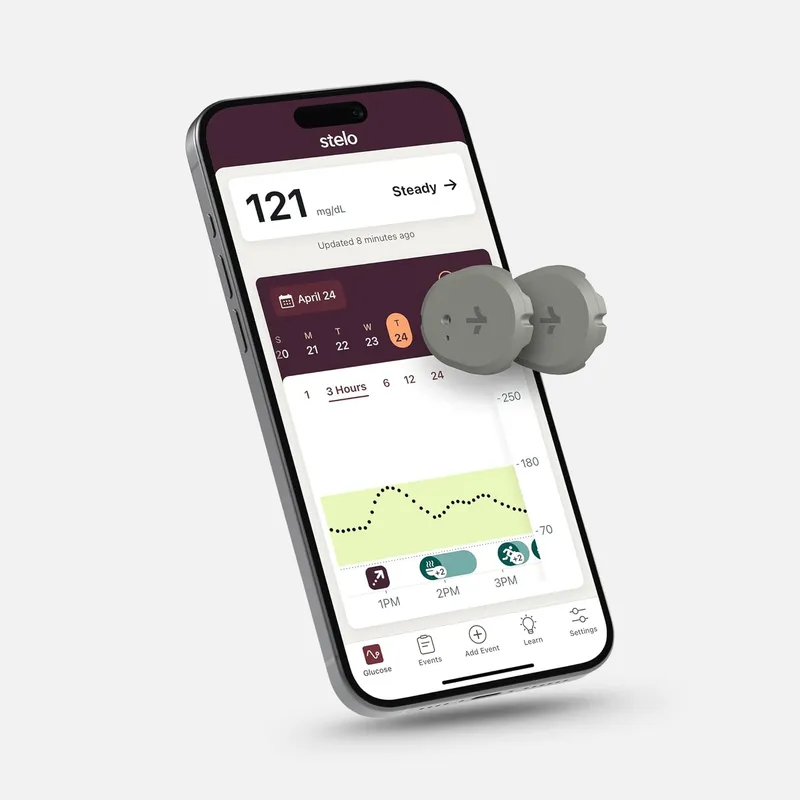
Dexcom Stelo Glucose Sensor, 2-Pack
Seeing what a meal or a walk does to your glucose
Dexcom's Stelo is the over-the-counter continuous glucose monitor the FDA cleared in 2024 for adults who don't use insulin. It sits on the back of your upper arm for up to 15 days, waterproof, and sends readings to a phone app. The app shows the spikes after meals that a single A1C averages away. The ADA's standards name prediabetes as a use for over-the-counter CGMs. It has no alarms, and by Dexcom's own figures about 1 in 5 sensors doesn't last the full 15 days. Dexcom replaces those.
Price
$99
Est. tax savings ~$30
OneTouch
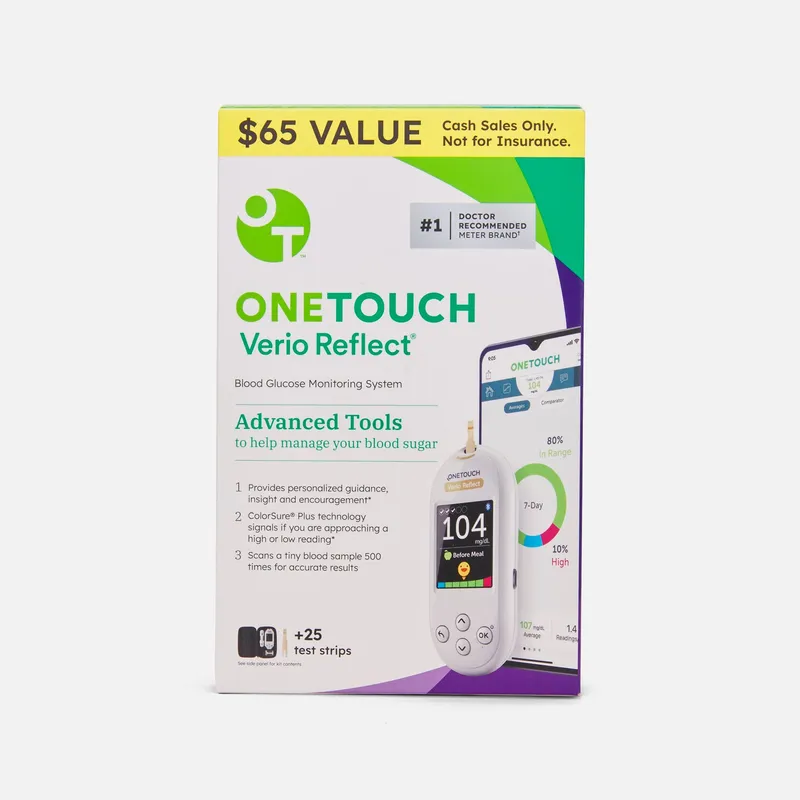
HSA/FSA eligibleOneTouch Verio Reflect Blood Glucose Monitoring System
Checking your glucose without a sensor, or double-checking one
A fingerstick meter is the cheaper way to learn your numbers and the cross-check for a CGM. The ColorSure range indicator shows where each reading falls. The OneTouch Reveal app logs results and shares them with your care team. A 90-day average target covers roughly the same window as an A1C.
Price
$40
Est. tax savings ~$12
Omron
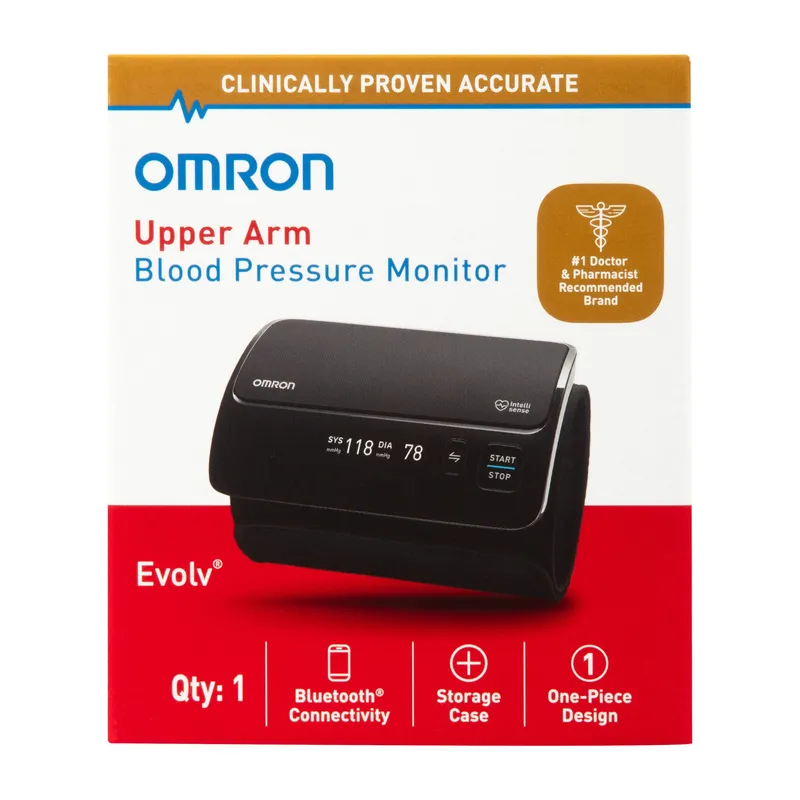
HSA/FSA eligibleOmron Evolv Blood Pressure Monitor with Storage Case
Watching the heart risk that comes with prediabetes
Prediabetes raises cardiovascular risk, and the ADA suggests screening for and treating the risk factors. Evolv is a one-piece upper-arm cuff with no tube. It fits arms from 9 to 17 inches and flags an irregular heartbeat. It sends readings to OMRON Connect so you can share them with your clinician.
Price
$66
Est. tax savings ~$20
Withings
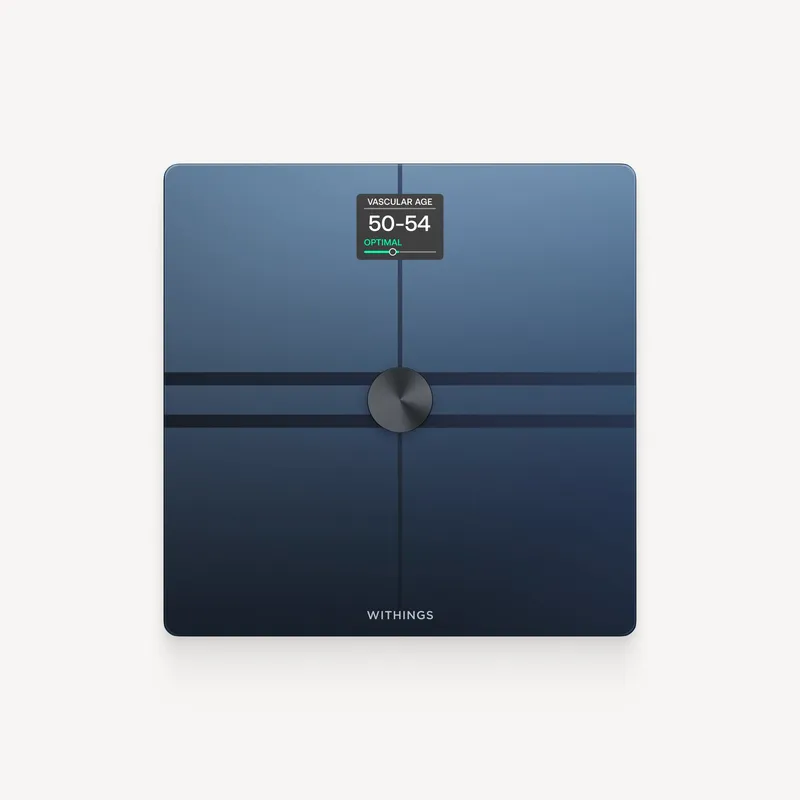
HSA/FSA with LMNBody Comp Black
Tracking the 5% to 7% weight target
Weight is the number the prevention plan is built on. Body Comp syncs it to the Withings app over Wi-Fi or Bluetooth and adds body fat, visceral fat and muscle mass. Treat those as trends. It supports up to 8 users, and the baseline metrics need no subscription.
Costway
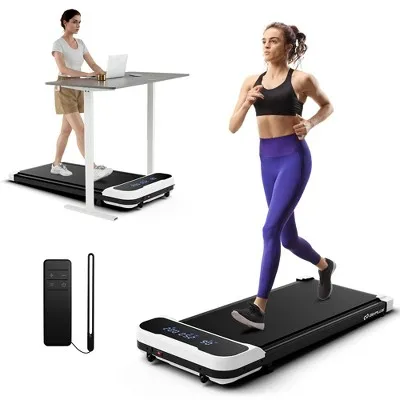
HSA/FSA with LMNCostway 2.5HP Under Desk Treadmill for Home and Office Remote Control LED Display White
Getting walking minutes into a desk job
An under-desk treadmill turns part of a workday into the CDC's 150 minutes. It runs from 0.6 to 4 mph on a quiet 2.5HP motor and comes with a remote and an LED display. It's for walking, not running. It removes the weather excuse, not the walking.
BowFlex
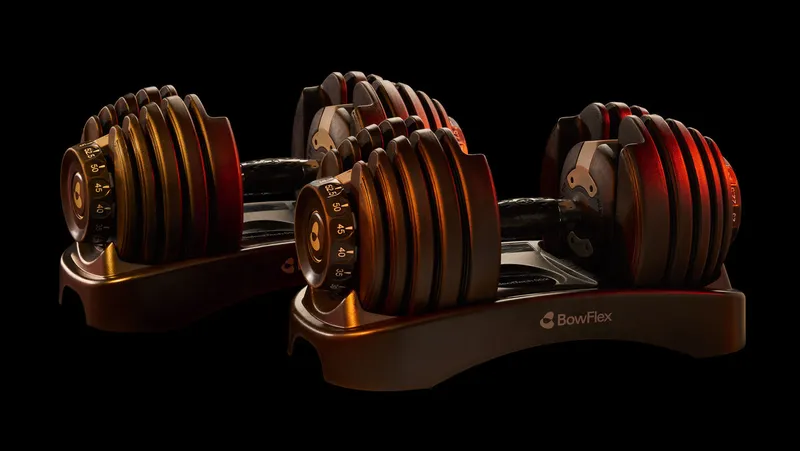
HSA/FSA with LMNBowFlex Results Series 552 SelectTech Dumbbells
The ADA's two strength sessions a week
A dial sets each dumbbell anywhere from 5 to 52.5 pounds, so one pair replaces 15 sets of weights. That makes a home strength routine possible without a rack in the corner.
Concept2
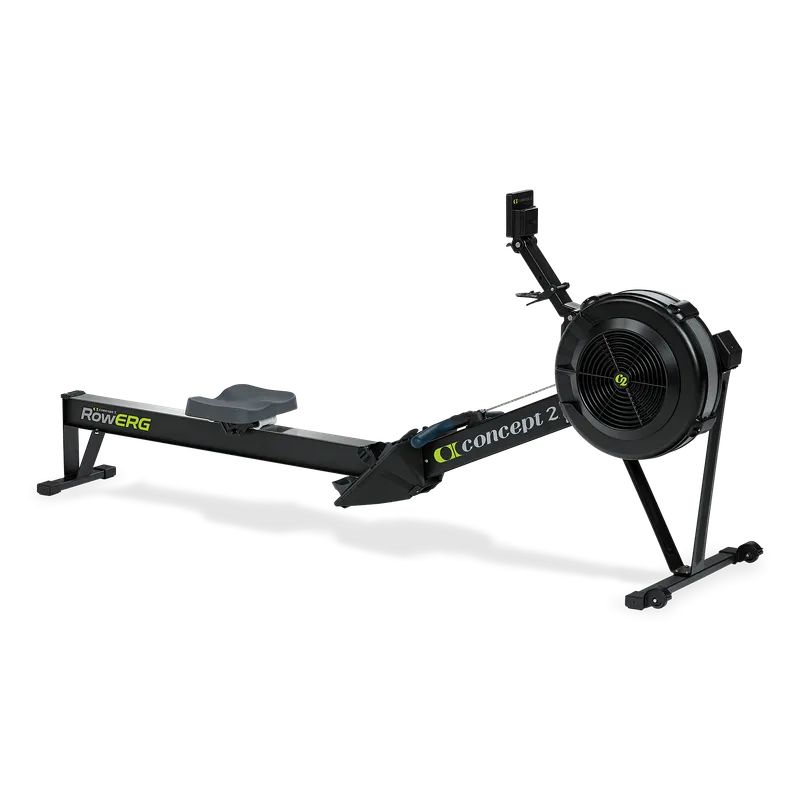
HSA/FSA with LMNConcept2 RowErg
The splurge: low-impact cardio for the whole body
The indoor rower that rowing programs and races use as their standard. Each stroke is low-impact cardio toward the 150 minutes, and Concept2 says it works every major muscle group. The included PM5 monitor logs every session to the free ErgData app. It takes users up to 500 pounds and splits into two pieces for storage, no tools needed.
| Product | Price | Eligibility | LMN cites | Key feature |
|---|---|---|---|---|
| DexcomDexcom Stelo Glucose Sensor, 2-Pack | $99 | HSA/FSA eligible | No LMN needed | Continuous glucose for up to 15 days, no fingersticks |
| OneTouchOneTouch Verio Reflect Blood Glucose Monitoring System | $40 | HSA/FSA eligible | No LMN needed | Fingerstick readings with a range indicator and 90-day average |
| OmronOmron Evolv Blood Pressure Monitor with Storage Case | $66 | HSA/FSA eligible | No LMN needed | Tubeless upper-arm cuff, irregular heartbeat flag |
| WithingsBody Comp Black | $230 | HSA/FSA with LMN | Obesity, metabolic syndrome or high blood pressure | Weight plus body composition, up to 8 users |
| CostwayCostway 2.5HP Under Desk Treadmill for Home and Office Remote Control LED Display White | $150 | HSA/FSA with LMN | Obesity, metabolic syndrome or high blood pressure | Walking from 0.6 to 4 mph under a desk |
| BowFlexBowFlex Results Series 552 SelectTech Dumbbells | $479 | HSA/FSA with LMN | Obesity, metabolic syndrome or high blood pressure | 5 to 52.5 lb per dumbbell by dial |
| Concept2Concept2 RowErg | $990 | HSA/FSA with LMN | Obesity, metabolic syndrome or high blood pressure | Full-body, low-impact rowing with a PM5 monitor, users up to 500 lb |
Dexcom
Dexcom Stelo Glucose Sensor, 2-Pack
$99
- Eligibility:
- HSA/FSA eligible
- LMN cites:
- No LMN needed
- Key feature:
- Continuous glucose for up to 15 days, no fingersticks
OneTouch
OneTouch Verio Reflect Blood Glucose Monitoring System
$40
- Eligibility:
- HSA/FSA eligible
- LMN cites:
- No LMN needed
- Key feature:
- Fingerstick readings with a range indicator and 90-day average
Omron
Omron Evolv Blood Pressure Monitor with Storage Case
$66
- Eligibility:
- HSA/FSA eligible
- LMN cites:
- No LMN needed
- Key feature:
- Tubeless upper-arm cuff, irregular heartbeat flag
Withings
Body Comp Black
$230
- Eligibility:
- HSA/FSA with LMN
- LMN cites:
- Obesity, metabolic syndrome or high blood pressure
- Key feature:
- Weight plus body composition, up to 8 users
Costway
Costway 2.5HP Under Desk Treadmill for Home and Office Remote Control LED Display White
$150
- Eligibility:
- HSA/FSA with LMN
- LMN cites:
- Obesity, metabolic syndrome or high blood pressure
- Key feature:
- Walking from 0.6 to 4 mph under a desk
BowFlex
BowFlex Results Series 552 SelectTech Dumbbells
$479
- Eligibility:
- HSA/FSA with LMN
- LMN cites:
- Obesity, metabolic syndrome or high blood pressure
- Key feature:
- 5 to 52.5 lb per dumbbell by dial
Concept2
Concept2 RowErg
$990
- Eligibility:
- HSA/FSA with LMN
- LMN cites:
- Obesity, metabolic syndrome or high blood pressure
- Key feature:
- Full-body, low-impact rowing with a PM5 monitor, users up to 500 lb
Beyond the picks
What keeps the kit running
A meter needs strips and lancets for every reading, and those are HSA/FSA-eligible too, with no paperwork.
OneTouch
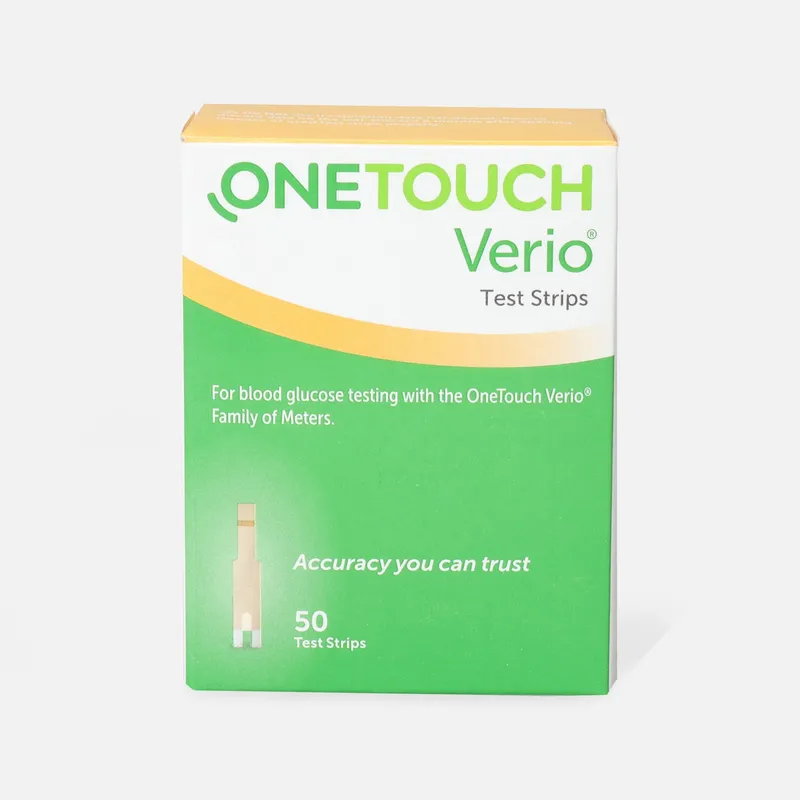
HSA/FSA eligibleOneTouch Verio Test Strip, 50 ct.
The meter's running cost
OneTouch Verio test strips, 50 to a box. Each fingerstick reading uses one, so budget for them alongside the meter.
Price
$70
Est. tax savings ~$21
OneTouch
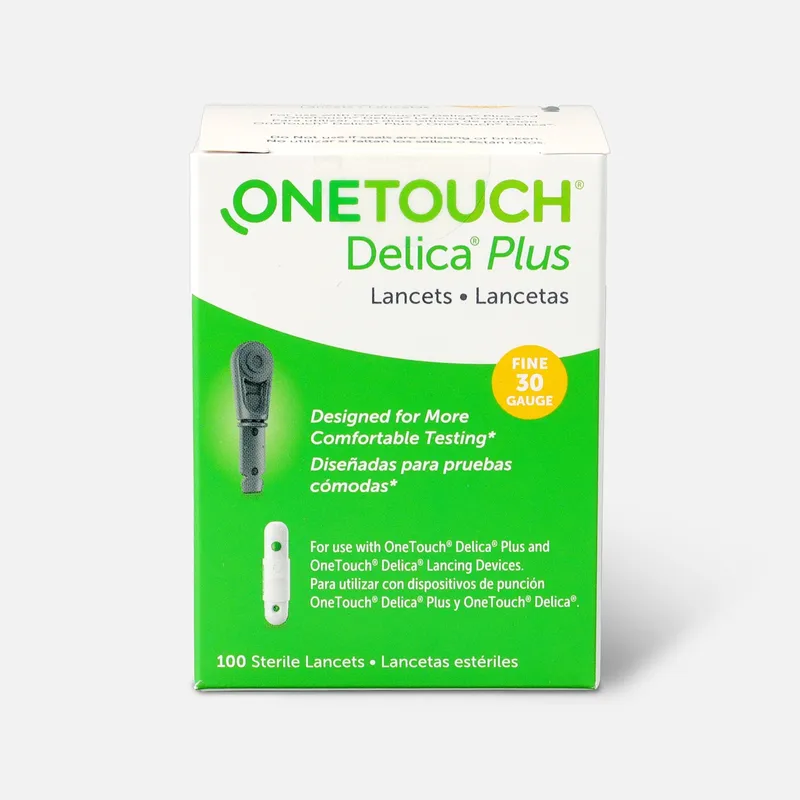
HSA/FSA eligibleOneTouch Delica Plus Lancet 30g - 100 ct.
The fingerstick itself
Fine 30-gauge OneTouch Delica Plus lancets, 100 to a box, for the other half of every meter reading.
Price
$20
Est. tax savings ~$6
Good to know
Two details worth knowing
For equipment bought because of a condition, Publication 502's strict reading counts only "the excess of the cost of the item in a special form over the cost of the item in normal form". In practice most administrators process the full price against a valid LMN. Your plan administrator can tell you how they treat it.
Keep your prediabetes diagnosis or lab result with the receipt for the glucose sensor, and the LMN with the receipt for each piece of equipment. That is what a claim or an audit asks for. When you buy through Caeli, the LMN and the itemized receipt are kept for you: every Buy-with-Benefits purchase is vaulted, itemized and audit-ready.
Questions
Frequently asked
Is the Dexcom Stelo HSA/FSA eligible if I don't have diabetes?
Very likely, if you buy it to manage diagnosed prediabetes. The IRS's wearable rule (Q15) counts a sensor bought and used primarily for a specific disease, and it names abnormal test results as one of the facts that show this. An A1C in the 5.7% to 6.4% range is one. Keep that result with the receipt. Buying one only out of general curiosity doesn't qualify.
Do I need a CGM, or is a fingerstick meter enough?
A meter is cheaper per reading, and it's the cross-check when a sensor reading doesn't match how you feel. A CGM shows what happens between fingersticks, like the rise after a particular meal. One sensible approach: wear a sensor for a month or two to learn your patterns, then keep the meter for spot checks. Both are HSA/FSA-eligible with no paperwork.
Is a Stelo worth it for prediabetes?
It depends on what you'll do with the data: it can be a fast way to learn which foods spike you, and the constant numbers can also feel stressful. Treat a month or two as an experiment, and use HSA or FSA money so it costs you pre-tax dollars rather than take-home pay.
Do I need an LMN for a smart scale?
In Caeli's shop the Withings Body Comp is HSA/FSA eligible with an LMN, because a scale is also an everyday household item. An LMN that ties it to your diagnosis and a weight-loss target is what makes it a medical expense. You can get one through Caeli at checkout, signed by a licensed clinician.
Is the National Diabetes Prevention Program HSA/FSA eligible?
Check free routes first: its Medicare version (MDPP) is free under Part B for eligible members, and some employers and insurers cover it. If you pay yourself, fees can count as a weight-loss program when a physician documents it as treatment for a diagnosed disease. Ask your plan administrator before you enroll.
Does one LMN cover the scale and the exercise equipment?
One qualifying diagnosis, such as obesity or high blood pressure, can support all of them; prediabetes on its own is not one of the conditions cited for this equipment. Through Caeli, each LMN covers its product and similar ones for 12 months, so the scale, the treadmill, the dumbbells and the rower may each need their own, each dated before you buy.
What if my HSA or FSA card is declined?
If a store doesn't take HSA or FSA cards, the Caeli extension lets you pay with benefit dollars there anyway. It keeps the itemized receipt, and any LMN, together for your records.
The number can come down.
A prediabetes diagnosis is the start of a plan, not a sentence. Use the benefits you already have to pay for the tools that help you keep it.
Shop biometric trackingLMN handled at checkout · receipts vaulted automatically
More from Caeli's Picks
All picks
Caeli Picks
Withings Body Scan & Smart Scales: Navigating Heart, Weight & Diabetes LMNs
A Withings Body Scan costs as much as a phone. If a clinician ties it to heart failure, high blood pressure, type 2 diabetes or obesity, your HSA or FSA can pay for it with pre-tax money. Here is what qualifies, the five scales worth it, and the heart gear that needs no LMN at all.

Caeli Picks
HSA-Eligible Smart Wearables in 2026: Oura, Whoop, Apple Watch & More
Yes, your Oura Ring can be HSA-eligible. So can your Whoop. And your Apple Watch. Here's what wearables qualify, what diagnoses unlock them, and how to get the LMN.
Caeli Picks
Biohacking with Your HSA: What's Eligible (and What Needs Paperwork)
CGMs, Oura, Whoop, NAD+ supplements, blood work — your HSA covers more biohacker gear than you think. Here's the honest 2026 list.