Garmin Forerunner & Fenix: How to Get a $600 Fitness Watch Covered Pre-Tax
Garmin's running and adventure watches are premium, and with a Letter of Medical Necessity for a diagnosed condition, your HSA or FSA can pay for one with pre-tax money. Five Garmins worth it, the new IRS rule for wearables, and how the letter works.


The quick answer
Can you buy a Garmin watch with your HSA or FSA?
Yes, when you buy it for a diagnosed condition or on a clinician's advice.
Yes, with an LMN. The IRS says a watch counts when you buy it primarily for a specific disease, such as atrial fibrillation or sleep apnea, not for general fitness. Caeli pairs a smartwatch with a clinician's letter, from a short intake at checkout.
Jump to the picksEstimated pre-tax savings: about $18 to $330 per item, at a 30% combined tax rate.
Caeli handles the LMN at checkout: a telehealth intake in under 3 minutes.
The watches
Five Garmins, from trail watch to first running watch
Garmin's Forerunner and fēnix watches are built around long battery life: the Forerunner 970 runs up to 15 days as a smartwatch, and the fēnix 8 up to 16 days, or 47 hours of GPS tracking. The newer watches do more for your heart, too. Every one here alerts you to an abnormally high or low heart rate, and three carry Garmin's FDA-cleared ECG app, which records an ECG similar to a Lead I ECG and checks for signs of atrial fibrillation. They are premium watches, which is exactly where pre-tax HSA and FSA dollars help.
The picks come first. How your HSA or FSA can pay for one, and the new IRS rule that decides it, follows right after.
Editor's pick
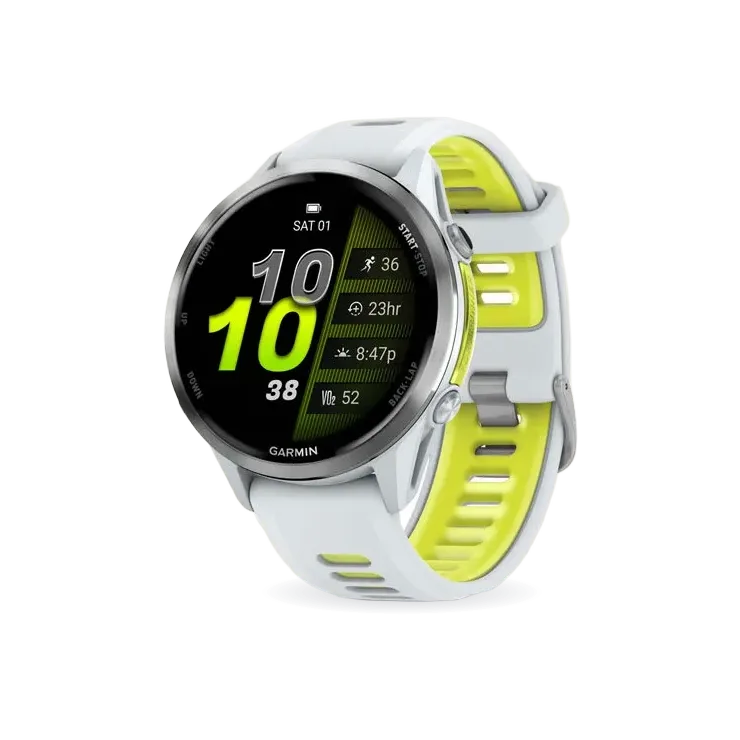
Garmin Forerunner® 970 — Runners who want the ECG app on their training watch
The Forerunner 970 is the only Forerunner here with Garmin's ECG app, and it adds an LED flashlight, a titanium bezel and a sapphire lens to the full Forerunner training stack. Battery runs up to 15 days as a smartwatch and up to 26 hours with GPS. If your clinician wants you to capture an irregular rhythm when you feel it, this is the running watch that can.
Price
$750
Est. tax savings ~$225
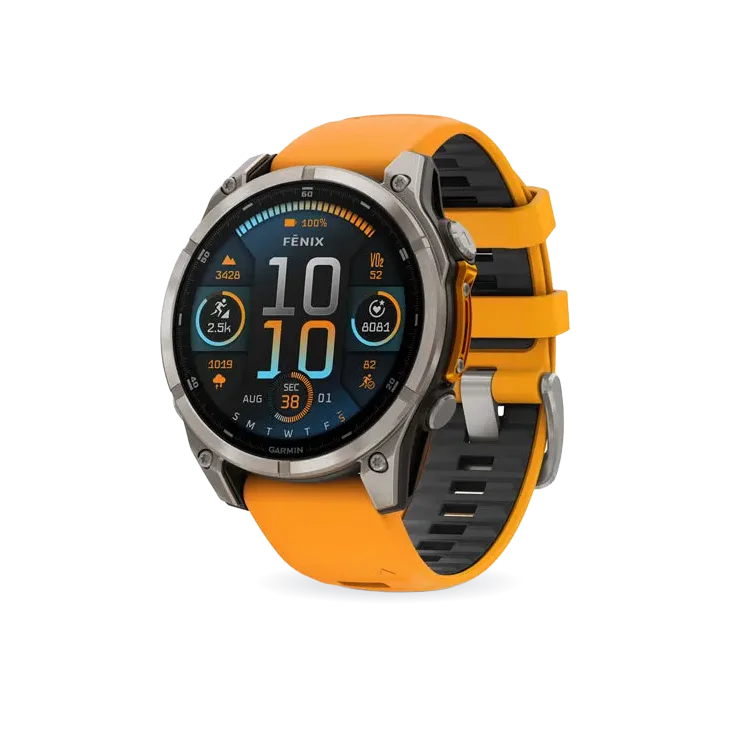
Garmin fēnix® 8 – 47 mm, AMOLED — The splurge: trails, mountains and open water
The fēnix 8 is the tough one: rated 10 ATM with a 40-meter dive rating, multi-band GPS, a flashlight and up to 47 hours of GPS tracking. It carries the ECG app as well, so the toughest watch here gives up nothing on the health side.
Price
$1,100
Est. tax savings ~$330
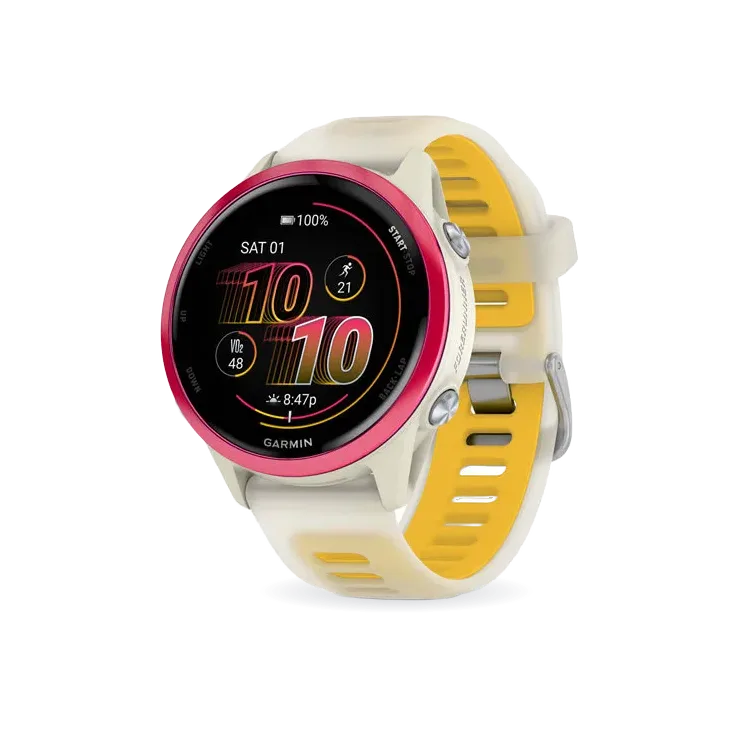
Garmin Forerunner® 570 - 42mm — Mid-range: the training watch most runners need
The Forerunner 570 keeps the training features that matter, including training readiness, HRV status and multi-band GPS, in a 42 mm case that weighs 42 g. It skips the ECG app and the flashlight. Bought with an LMN for a qualifying condition, it saves about $165 in tax.
Price
$550
Est. tax savings ~$165
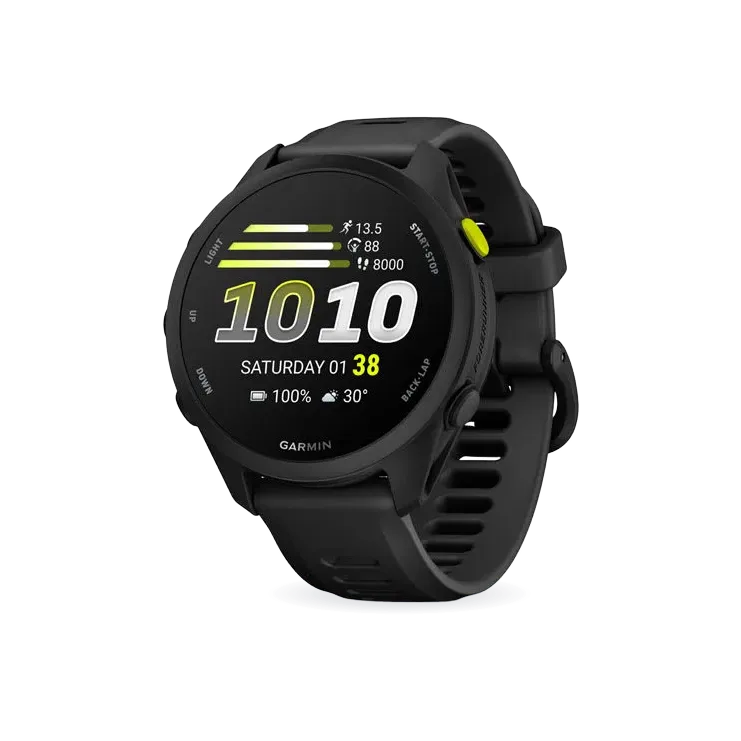
Garmin Forerunner® 70 — Budget: a first running watch
Garmin's 2026 entry Forerunner, on sale since May, with training readiness, HRV status and up to 13 days of battery at 40 g. It leaves out multi-band GPS, the ECG app and the flashlight, which keeps it simple for someone starting an exercise plan.
Price
$250
Est. tax savings ~$75
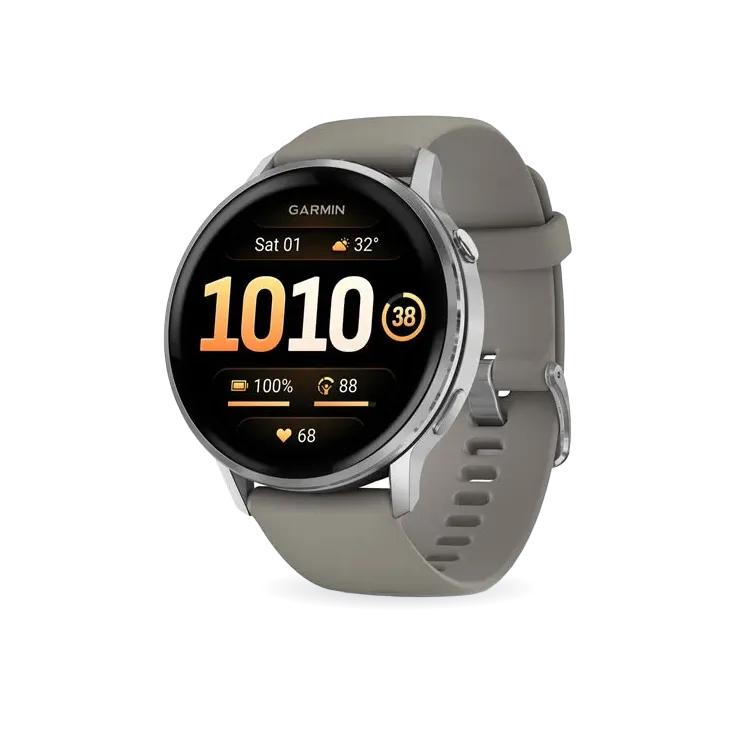
Garmin Venu® 4 – 45 mm — Special purpose: health first, training second
The Venu 4 is Garmin's health-focused watch: the ECG app, fall detection, a flashlight and up to 12 days of battery, with a more everyday look than a Forerunner. If your reason for a watch is your heart rather than your pace, start here.
Price
$550
Est. tax savings ~$165
| Product | Price | LMN cites | ECG app | Multi-band GPS | Flashlight | Battery, smartwatch | Battery, GPS only | Key feature |
|---|---|---|---|---|---|---|---|---|
| Garmin Forerunner® 970 | $750 | Atrial fibrillation or another heart rhythm disorder | Up to 15 days | Up to 26 hours | ECG app on a training watch, titanium and sapphire | |||
| Garmin fēnix® 8 – 47 mm, AMOLED | $1,100 | Atrial fibrillation or another heart rhythm disorder | Up to 16 days | Up to 47 hours | 10 ATM, 40 m dive rating, longest GPS battery | |||
| Garmin Forerunner® 570 - 42mm | $550 | A heart rhythm disorder or sleep apnea | – | – | Up to 10 days | Up to 18 hours | Full training features in a 42 g case | |
| Garmin Forerunner® 70 | $250 | Sleep apnea or insomnia | – | – | – | Up to 13 days | Up to 23 hours | Garmin's 2026 entry running watch |
| Garmin Venu® 4 – 45 mm | $550 | Atrial fibrillation or another heart rhythm disorder | Up to 12 days | Up to 20 hours | Health-first: ECG app and fall detection |
Garmin Forerunner® 970
$750
- LMN cites:
- Atrial fibrillation or another heart rhythm disorder
- ECG app:
- Multi-band GPS:
- Flashlight:
- Battery, smartwatch:
- Up to 15 days
- Battery, GPS only:
- Up to 26 hours
- Key feature:
- ECG app on a training watch, titanium and sapphire
Garmin fēnix® 8 – 47 mm, AMOLED
$1,100
- LMN cites:
- Atrial fibrillation or another heart rhythm disorder
- ECG app:
- Multi-band GPS:
- Flashlight:
- Battery, smartwatch:
- Up to 16 days
- Battery, GPS only:
- Up to 47 hours
- Key feature:
- 10 ATM, 40 m dive rating, longest GPS battery
Garmin Forerunner® 570 - 42mm
$550
- LMN cites:
- A heart rhythm disorder or sleep apnea
- ECG app:
- –
- Multi-band GPS:
- Flashlight:
- –
- Battery, smartwatch:
- Up to 10 days
- Battery, GPS only:
- Up to 18 hours
- Key feature:
- Full training features in a 42 g case
Garmin Forerunner® 70
$250
- LMN cites:
- Sleep apnea or insomnia
- ECG app:
- –
- Multi-band GPS:
- –
- Flashlight:
- –
- Battery, smartwatch:
- Up to 13 days
- Battery, GPS only:
- Up to 23 hours
- Key feature:
- Garmin's 2026 entry running watch
Garmin Venu® 4 – 45 mm
$550
- LMN cites:
- Atrial fibrillation or another heart rhythm disorder
- ECG app:
- Multi-band GPS:
- Flashlight:
- Battery, smartwatch:
- Up to 12 days
- Battery, GPS only:
- Up to 20 hours
- Key feature:
- Health-first: ECG app and fall detection
The IRS rule
What makes a Garmin a medical expense
A watch is not a medical expense just because it tracks health data. In September 2026 the IRS spelled out when it is one (IRS FAQ, Q15): when you buy and use it "primarily to assist in the diagnosis, cure, mitigation, treatment, or prevention of a specific disease". The facts that count include "a recommendation from a medical practitioner; the individual's symptoms, diagnosis, abnormal test results, or risk factors".
In practice, that means a condition linked to what the watch tracks: atrial fibrillation, another heart rhythm disorder or a fast heart rate for the ECG app and heart-rate alerts, or obstructive sleep apnea or insomnia where sleep data are part of the care plan. What doesn't count is the reason many of us want one: the IRS says "a generalized desire to monitor or improve health is not sufficient", and training for a marathon is exactly that.
If that describes you, you can buy any of these watches with your HSA or FSA card in the Caeli shop, with an LMN. A smartwatch is a dual-purpose device, so Caeli runs a short clinician intake at checkout, and the letter is the record that ties the watch to your condition. On a watch you find anywhere else, Caeli shows in real time whether your benefits cover it.
How an LMN works
Usually an LMN means a doctor's appointment, often a co-pay, and asking for the letter. With Caeli it happens at checkout, for every watch on this page: a telehealth intake in under 3 minutes, then a licensed clinician reviews and signs, usually in minutes. One LMN covers the watch and similar ones for 12 months. These conditions are common examples, not the full list.
Conditions a clinician can cite include:
- Atrial fibrillation
- Heart rhythm disorder
- Tachycardia
- Obstructive sleep apnea
- Insomnia
Your diagnosis or your clinician's advice is what makes a Garmin a medical expense, not the watch itself.
The same diagnosis
Four more tools the same care plan can use
A watch is rarely the whole plan, and each of these fills a gap it leaves. The EKG and the blood pressure monitor are medical devices, made for one medical purpose. The chest strap and the sleep band are wearables, so the same IRS test applies: Q15 says accessories count when they are bought primarily to serve the same medical purpose.
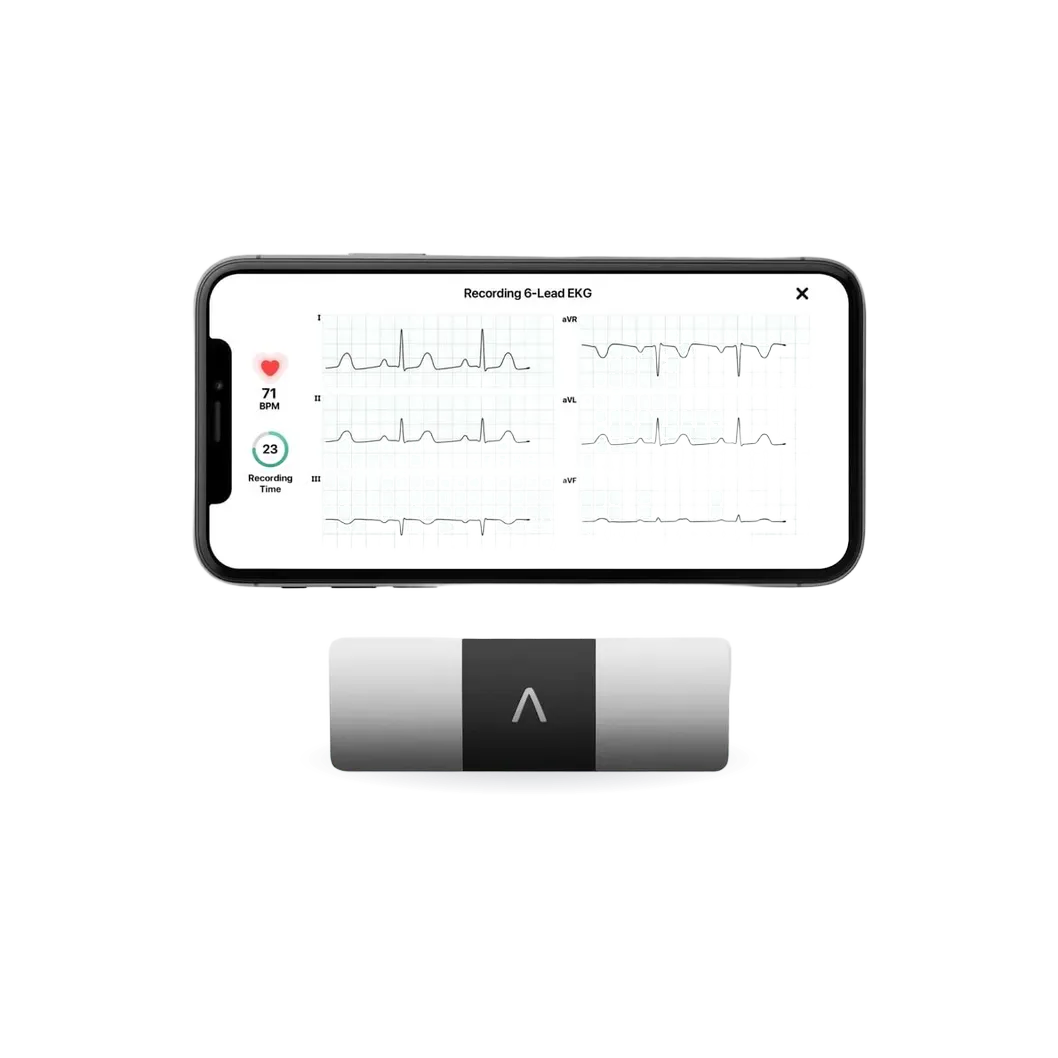
AliveCor KardiaMobile Medical-Grade 6L EKG Heart Monitor — A six-lead EKG to share with your cardiologist
AliveCor's FDA-cleared, six-lead personal EKG takes a 30-second reading and reports normal sinus rhythm, atrial fibrillation, bradycardia or tachycardia. AliveCor says it records six times more heart data than a single-lead EKG or a smartwatch.
Price
$140
Est. tax savings ~$42
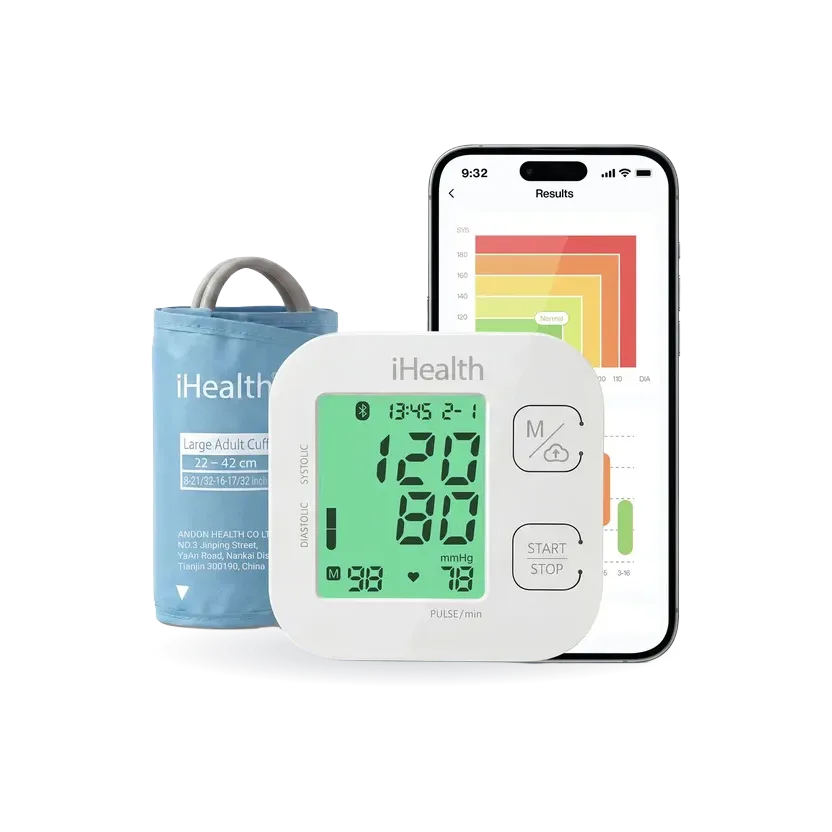
iHealth Track Blood Pressure Monitor — The blood pressure reading no watch takes
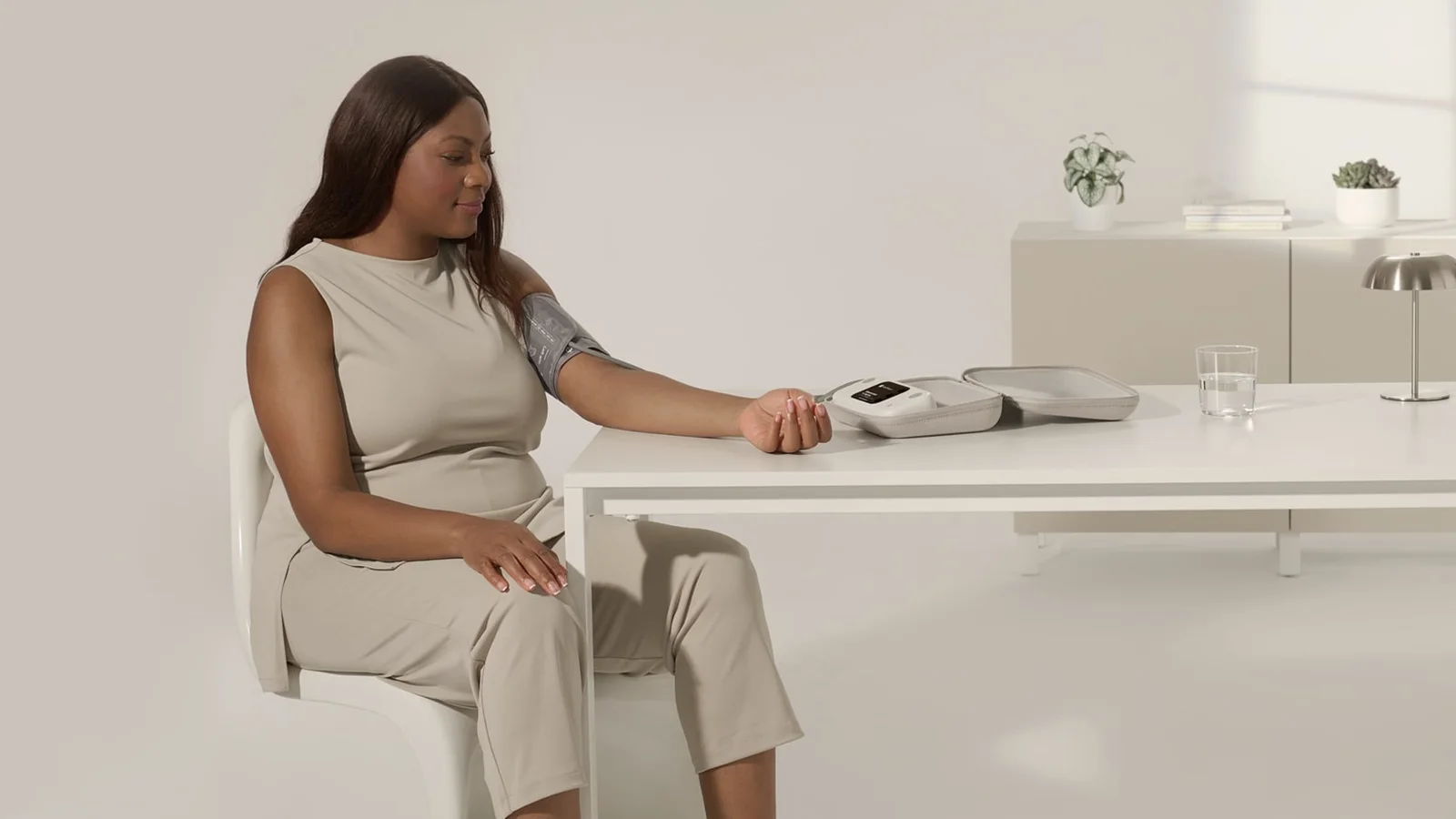
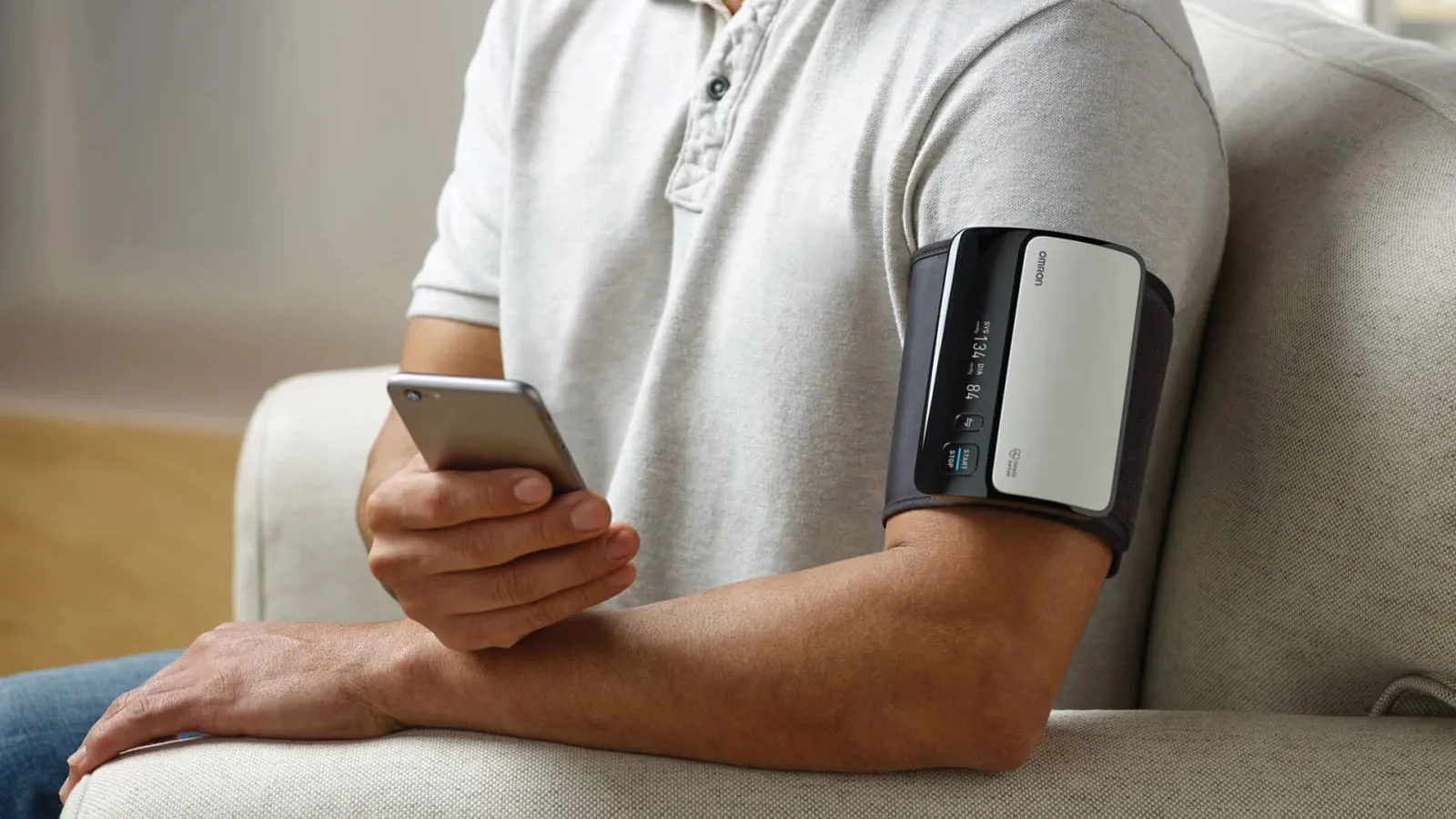
None of these watches measures blood pressure. The iHealth Track is a validated upper-arm cuff; it sends readings to the iHealth app, where you can keep a log to show your doctor.
Price
$60
Est. tax savings ~$18
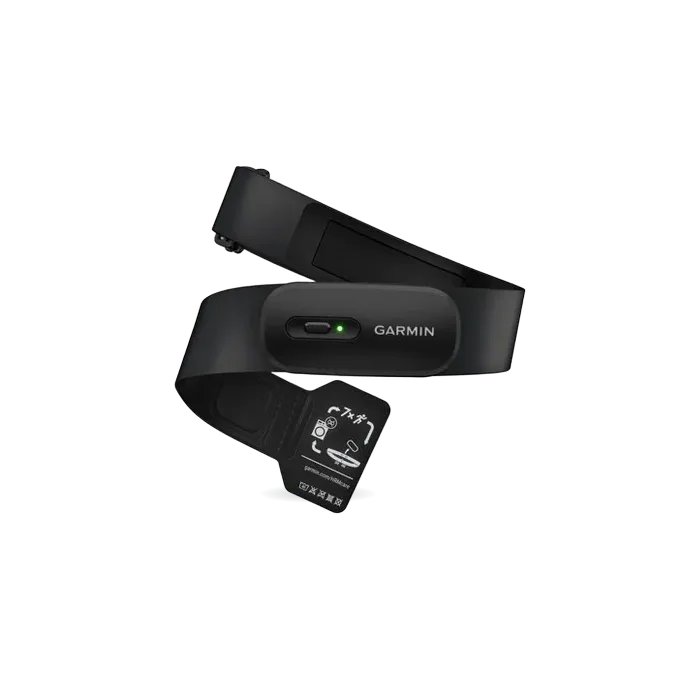
Garmin HRM 200 Heart Rate Monitor - M to XL — Precise heart rate for a prescribed exercise plan
A chest strap that sends real-time heart rate and HRV to your watch, for workouts where staying in the right zone matters. The battery lasts up to 12 months at an hour a day, and the strap is machine washable.
Price
$80
Est. tax savings ~$24
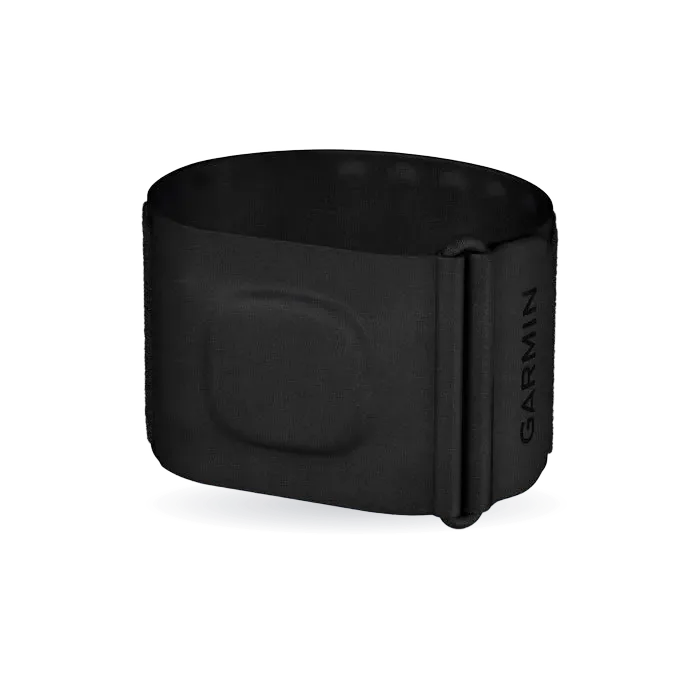
Garmin Index™ Sleep Monitor — Sleep data without wearing the watch to bed
Worn on the upper arm, it tracks sleep stages, HRV and breathing variations for up to 7 nights per charge, and its data syncs in Garmin Connect alongside your watch. Garmin labels these features not a medical device, so it supports a care plan rather than diagnosing anything.
Price
$170
Est. tax savings ~$51
The fine print
Keep the record
Keep your diagnosis or your clinician's recommendation with the itemized receipt; a Letter of Medical Necessity (LMN) that names your condition is the cleanest version of that record. When you buy through Caeli, the receipt side is taken care of: every Buy-with-Benefits purchase is vaulted, itemized and audit-ready.
Questions
Frequently asked
Do I need an LMN to buy a Garmin with my HSA or FSA?
Yes, through Caeli. The IRS test is why you bought the watch: for a specific disease, or on a clinician's recommendation. A smartwatch is a dual-purpose device, so Caeli pairs it with a Letter of Medical Necessity, the clearest proof of that, from a short intake at checkout. An FSA may also ask for it when you file.
Can I use my HSA or FSA for a Garmin if I just want to train?
Not under the IRS rule, which says "a generalized desire to monitor or improve health is not sufficient." If your employer offers a Lifestyle Spending Account with a fitness category, that is the better route for a training watch.
Which conditions can make a Garmin a medical expense?
One that the watch's data relates to, such as atrial fibrillation, another heart rhythm disorder, a fast heart rate, obstructive sleep apnea or insomnia. These are examples; the clinician who reviews your intake decides what applies to you.
My HSA administrator says Garmin watches never qualify. Who's right?
With an HSA, the IRS rule is the test and the records are yours to keep. With an FSA, the plan decides what it covers within the IRS rules, so ask what it wants before you buy.
Do bands, chest straps and subscriptions count?
The IRS says accessories, add-ons and software subscriptions count only if they are bought primarily to serve the same medical purpose as the device. A chest strap for an exercise plan your clinician set can; a band bought for style would not.
Does the ECG app make any Garmin eligible?
No feature does that on its own; the reason you buy the watch does. The ECG app on the fēnix 8, Forerunner 970 and Venu 4 helps when your condition is a heart rhythm problem, and Garmin says it is only intended for adults 22 and over.
Can I use my FSA if I also have an HSA?
If you contribute to an HSA, your FSA is limited-purpose, covering dental and vision, so it won't pay for a watch. Use the HSA instead (IRS Publication 969).
Enjoy the miles.
Here is to early runs and long trail days with a watch that keeps an eye on your heart as well as your pace. If you are buying one for a diagnosed condition, your HSA or FSA can help pay for it with an LMN: browse the wearables and monitors, and let Caeli show you what your benefits cover.
Shop wearables & monitorsLMN handled at checkout · receipts vaulted automatically